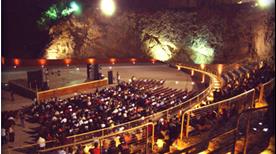
Teatro delle Rocce
Gavorrano
(27 Km)
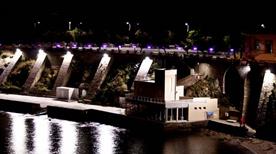
Teatro del Mare
Piombino
(14 Km)

Museo del Castello e della Città
Piombino
(13 Km)
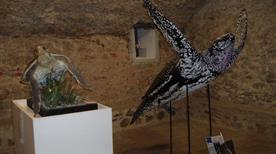
Museo del Mare
Piombino
(14 Km)
The Museum of the Sea is located at Palazzo Appiani, in Piazza Bovio. The building dates back to 300 and is also known as Palazzo Vecchio. The Museum was established in 1985 by the Institute of Marine Biology and Ecology of Piombino. Inside it collects and presents typical marine objects, parts of ships and ancient maritime artifacts. Today he also deals with monitoring the marine environment of the Mediterranean.

Mostra Permanente della Resistenza
Massa Marittima
(23 Km)
The Permanent Exhibition of the Resistance is located in the Council Hall of the Municipality of Massa Marittima. It was opened to the public in 1986 and was later reorganized on the occasion of the 60th anniversary of the Liberation. The exhibition is divided into two sections composed of panels accompanied by images that address the theme of the Massetana Resistance and the Massacre of Niccioleta.
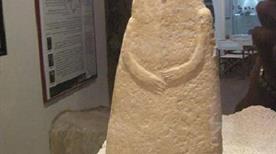
Museo Civico Archeologico
Massa Marittima
(23 Km)
The Civic Archaeological Museum is located in the thirteenth-century Palazzo del Podestà since 1978, and exhibits materials from archaeological collections collected from 1875 by Gismondo Galli. The exhibition is divided into several sections where materials found in the Etruscan settlement of Lake dell'Accesa and in the necropolis of the territory are kept.

Antico Frantoio
Massa Marittima
(24 Km)
The Ancient Oil Mill dates back to the end of the eighteenth century and exhibits the memories of the peasant civilization of the territory of Massa Marittima, through a collection of testimonies of the ancient craft of processing oil. The Oil Mill Museum was founded in 1990 and also houses a drive wheel connected to the millstone of which Leonardo da Vinci was its creator.

Museo della Miniera
Massa Marittima
(23 Km)
The Mine Museum was founded in 1980 by a group of miners. It is located in the site of an ancient quarry composed of galleries used as a refuge during World War II. The exhibition path extends for about seven hundred meters where the different techniques of mineral extraction are exposed, and numerous machinery and working tools used up to a few are kept. years ago.
Museo di Arte Sacra
Massa Marittima
(24 Km)
The Museum of Sacred Art was established in 2005 at the headquarters of the ancient church of San Pietro all'Orto. The exhibition halls retrace the most significant moments in the religious and civil history of the city, starting from the rule of the Prince Bishop until the decline of the city in the 16th century. The most important work is represented by Ambrogio Lorenzetti's painting 'The Majesty' on board.

Museo del Risorgimento
Massa Marittima
(23 Km)
The Museum of the Risorgimento was founded in 1911. In the museum there are materials that testify to the political, economic and social transformation of Italy in the 18th, 19th and 20th centuries. Inside we can admire paintings, sculptures, drawings, engravings, prints, weapons etc.
Museo della Civiltà del Lavoro
Campiglia Marittima
(1 Km)
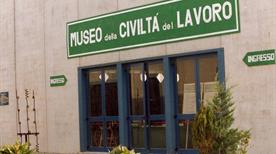
The Museum of Labor Civilization collects about a thousand working tools characteristic of the Val di Cornia. In addition to those of agricultural work and artisanal or industrial use, the Museum also houses several wagons, tractors, cogs and steam locomotives of the twentieth century. You can also admire a collection of twelve thousand artifacts from the farmer's work from the Giovanni Lazzerini donation.
Museo Archeologico
Castiglione della Pescaia
(35 Km)
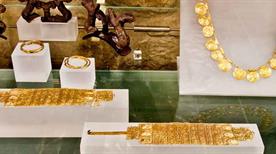
The Archaeological Museum is also known as the Museum of Isidoro Falchi, a doctor who carried out excavations at the end of the nineteenth century, discovering ruins of the Etruscan housing centers and the necropolis of the city of” Vetluna”. The objects, which belong to the State, are shown in the windows in a chronological and topographic order. The peculiarity of the Archaeological Museum is that it is also accessible to a blind public.

Museo dei Minerali Elbani
Rio Nell'Elba
(28 Km)
In Rio Marina, is worth visiting the Tonietti Collection which is housed in the Museum of Elban Minerals. There are about a thousand samples of rocks and minerals that Tonietti began gathering at the beginning of the sixties with the assistance of the mines of Elba staff.

Museo Nazionale della Palazzina dei Mulini
Portoferraio
(34 Km)
Guests at the Elba îsola you can't visit the Palazzina dei Mulini in Portoferraio which was the official residence of Napoleon and still has many memorabilia of the emperor.
Museo Naturalistico
Portoferraio
(34 Km)
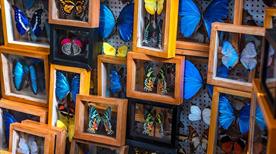
The Naturalistic Museum of Portoferraio deserves a special visit, which is actually located on the island of Monte Cristo, and that since 1977 it has become a nature reserve for the protection of the present biodiversity. The museum houses collections relating to the flora and fauna of the island finds coming from the seabed. Visits are allowed only by prior arrangement.

Pinacoteca Comunale Foresiana
Portoferraio
(34 Km)
An almost obligatory stage in Portoferraio is the Pinacoteca Foresiana which is housed in the barracks De Laugier. The gallerybears the name of Mario Foresi, its creator and includes paintings and prints by important artists including Signorini, Cannicci Lapi and others.

Museo Nazionale di Villa San Martino
Portoferraio
(34 Km)
At Portoferraio you can visit Villa San Martino, a museum dedicated to Napoleon, who was to be his summer residence but where he didn't attend to muc. Now it is mainly used as an art gallery that displays engravings from 1984 with theNapoleonic subject and with historical exhibitions.

Museo Civico Archeologico
Portoferraio
(34 Km)
The Archaeological Museum of Portoferraio has a small but very attractive structure.In the inside you can see archaeological finds of land and sea discovered aboard of the Roman ships wrecked near the Elba.
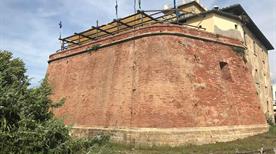
Forte di Marina di Bibbona
Bibbona
(24 Km)
The Fort of Marina di Bibbona was built in 1785 with a defence function. The facility controlled the entire coastal zone from possible enemy attacks. The building housed the rooms for the guard corps, which patrolled the coastal coast.

Forte Focardo
Capoliveri
(35 Km)
The Fort Focardo is built on the East coast of Capoliveri. Has a modestly sized square. Currently some of the buildings are abandoned, while others were restructured. Once housed the accommodations for the defensive corps and deposits for weapons.

Palazzo della Biscotteria
Portoferraio
(33 Km)
The Palazzo della Biscotteria in Portoferraio is the current seat of the municipality of the town but when it was built for Cosimo I, it was used as a biscuit shop, a structure that produced bread for the troops that were in the city and on the island .
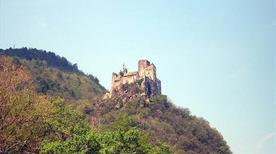
Castello Appiani ruderi
Portoferraio
(36 Km)
The Castle Appiani in the ruins of Portoferraio is testimony to what once was one of the strongholds of Portoferraio, considered the capital of the island of Elba. Today one can only admire the ruins of the old body construction. They are easily accessible and can be visited freely and are an ideal destination to visit during your stay.
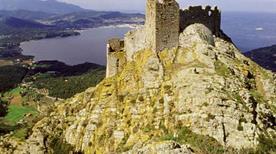
Castello San Martino ruderi
Portoferraio
(38 Km)
The Castle Ne St. Martin in the ruins of Portoferraio, is a modest villa but embellished with a striking facade. It's well-preserved and can be visited in every room, including the particularly famous Egyptian one, which is the dining room of the emperor who had perked it to theme in remembering of the military campaign in Egypt.

Forte Monte Bello ruderi
Portoferraio
(34 Km)
The Forte Montebello of Portoferraio is another important fortress of the island's capital. It was built as others in order to defend the territory and alert and report any time for eventually sieges.

Forte di Luceri ruderi
Portoferraio
(36 Km)
Forte di Luceri at Portoferraio is currently the ruin of the ancient fortress that once was built for defensive purposes. It's freely accessible and offers picturesque scenery representing the power and the high risk of siege which over the years has been the island.
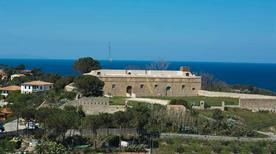
Forte Inglese
Portoferraio
(33 Km)
Il Forte Inglese is located in Portoferraio. It's possible to admire the massive walls fronts but it can't be accessed because it is currently divided into three private properties that do not allow access to the public. It's easy to reach, it is a symbol of the history of the island and offers a wonderful panoramic view.
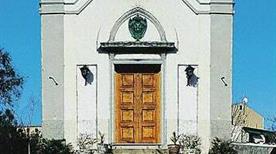
Ridotta di San Rocco
Portoferraio
(33 Km)
The Ridotta of San Rocco in Portoferraio was built in a strategic position not to be easily accessible at the same time naturally protected from the salt pans. Today, unfortunately, you can only admire his remains but that does not detract from the importance that was attached to it time ago.
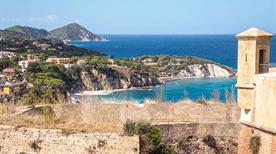
Forte Falcone
Portoferraio
(33 Km)
The Forte Falcone in Portoferraio is located in the highest part of the historical center. It has a structure with a square plan and it's composed of several buildings. Built for defensive purposes boasts the distinction of having underground rooms that leave the decking free, providing a greater time maneuvering in a state of siege.

Forte Stella
Portoferraio
(32 Km)
Forte Stella in Portoferraio, built on a promontory in 1548 in order to be able to do defensive sightings and report them to the island, is composed of multiple fortified structures in the shape of a star with five angular bastions. The whole structure is perfectly preserved.

Castello Volterraio
Portoferraio
(30 Km)
The crumbling Castle Volterraio of Portoferraio was built on the height of the island for protective and defensive purposes. It has an oval shape and is formed on the slope of the land. You can access it through the drawbridge and you can admire one of the most beautiful views on the island.
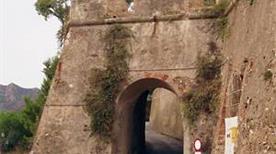
Forte San Giacomo
Porto Azzurro
(34 Km)
The Forte San Giacomo at Porto Azzurro was built by the Spanish in 600s as a defense of the south coast of the island. It enjoys an imposing structure in plant star and is characterized by perimeter walls of brick and stone. In the inside there are several buildings including the Governor's Palace, the powder, the armory, the apartments of the garrisons, stores, hospital and a windmill.
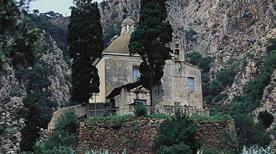
Santuario della Madonna di Monserrato
Porto Azzurro
(34 Km)
The shrine of Our Lady of Montserrat is located close to Porto Azzurro, in the middle of a valley between Monte Castello and Cima del Monte. It was built in 1606 at the willing of the Spanish nobleman Longone: the Spanish influence echoes in the hints of Baroque decorations covering ceilings and walls.
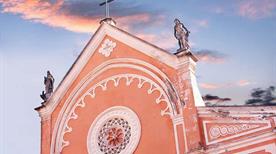
Duomo di Portoferraio
Portoferraio
(33 Km)
The Cathedral of Portoferraio is very characterized in the island of Elba. Dedicated to the Nativity of the Blessed Virgin Mary, this building housed Napoleon, in whose honor in May of 1814 was celebrated a Mass to celebrate the investiture reigning of the island Elba.

Chiesa della Misericordia
Portoferraio
(33 Km)
Among the oldest buildings to visit in Portoferraio, there is the beautiful Church of Mercy. Founded by Giovanni de 'Medici as far back as 1566, it holds within it an object of high value as the pipe organ dating back to 1792. There are also sacred vessels and furniture belonging to ancient times, in perfect condition, like a bronze mask of Napoleon on his deathbed, and a mold of his hand, both in bronze. In 1852, every May 5 is celebrated a mass in his suffrage
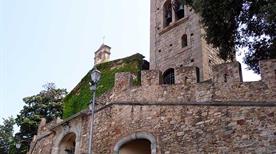
Propositura di San Lorenzo
Castagneto Carducci
(14 Km)

Pieve di San Giovanni Battista
Castiglione della Pescaia
(37 Km)
The parish church of San Giovanni Battista is a sacred building in Castiglione della Pescaia that was created in the 16th century from rooms used as a storage of weapons.
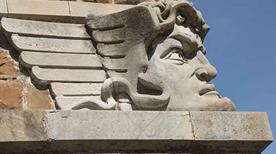
Cappella Tonietti
Cavo
(24 Km)
The mausoleum was designed by architect Gino Coppedè as the family tomb of Tonietti 's, the first concessionaires for the exploitation of the iron mines of the island.
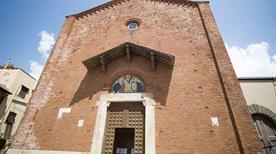
Cattedrale di Sant'Antimo
Piombino
(14 Km)
The most interesting sacred building in Piombino is certainly the Cathedral of Sant'Antimo. The fourteenth-century church, the current cathedral of Sant'Antimo, was built according to the forms of Sienese Gothic. The facade of the monument is made of red brick, of great interest is the beautiful cloister, the only example of architecture of the Principality.

Chiesa di San Leopoldo
Follonica
(18 Km)
Built in the nineteenth century and characterized by a porch and canopy facade made entirely of cast iron (the only religious building in Italy with such specificity), as are inter alia the furnishings and interior decorations.

Piazza Garibaldi
Massa Marittima
(23 Km)
Massa Marittima: Piazza Garibaldi The architectural and urban beauty of the historic center and its square, Piazza Garibaldi, tells the splendor of the medieval age that made this country famous in Italy and in the world.

Viale dei Cipressi
Castagneto Carducci
(25 Km)

Villa romana
Cavo
(24 Km)

Zona Archeologica Etrusca
Massa Marittima
(25 Km)
The excavations started in the archaeological area in 1980, brought to light the remains of an Etruscan settlement organized in neighborhoods divided into different buildings and equipped with necropolis. Currently, only their foundations remain visible. Since 2001, the Archaeological Park was established, which includes the shores of Lake dell'Accesa and the dense surrounding forest.

Castello di Pietra
Gavorrano
(27 Km)
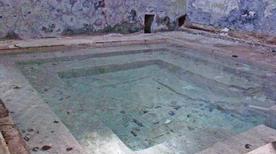
Terme S.Michele alle Formiche
Pomarance
(37 Km)
The spa of S. Michele alle Formiche dates back to the 16th century, and took its name from the adjacent homonymous monastery. The structure was restored during the 20th century, but has long been disused.

Torrione
Piombino
(13 Km)
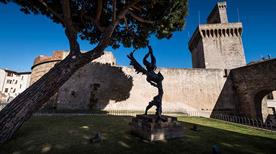
Torrione Rivellino
Piombino
(13 Km)
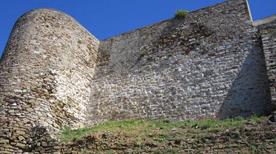
Mura Leonardesche
Piombino
(14 Km)
The Leonardesca Walls of Piombino were built in the fourteenth century with the aim of defending the city of Piombino from Mediterranean pirates. According to the studies carried out, the walls were built up to 10 meters in height, but unfortunately, today there are only a few sections of the ancient fortification left. The walls were the subject of study of Leonardo Da Vinci's military engineering at the beginning of the '500.
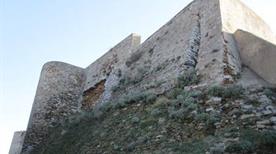
Le Mura
Piombino
(14 Km)
The walls of Piombino were built during the fourteenth century with the aim of protecting against raids of Mediterranean privateers and from the various threats of the hinterland. The structure was composed of walls that were about two meters wide and more than ten meters high. The most significant stretch is the one located along Via Leonardo Da Vinci.

Torre del Porto
Rio Nell'Elba
(28 Km)
The Torre del Porto in Rio Marina was built in 1534 by Jacopo Appiano V, Prince of Piombino. This, too, like many other structures on the island, served to defend the port of Rio Marina. It's topped by a tower with a clock that was only added in the nineteenth century, when Rio Marina became a municipality at all effects.

Bastioni Medicei
Portoferraio
(33 Km)
The Bastioni Medicei of Portoferraio on the island ,were the main defense against the dangers that came from the ground, but especially from the sea. It is majestic walls, seemingly solid, which were built for the Grand Duke of Tuscany Cosimo I, who wanted to defend the Elba from the attacks of the Turks.
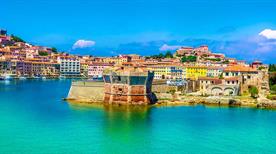
Torre Martello o della Linguella
Portoferraio
(33 Km)
The Linguella Tower, also known as Torre del Martello of Portoferraio is different from any other kind of architecture because of its characteristic octagonal shape. On the sea, the tower was originally used for sightings. It was built at the beginning of the sixteenth century by the Medici, determined to defend the Elba from possible attacks.

Porta di Mare
Portoferraio
(33 Km)
Porta di Mare in Portoferraio is a stone gate built as if to emphasize symbolically the entrance in the center of Portoferraio, one of the smallest municipalities of the Elbe, but very active from the point of view of tourism. From Sea Gate you can enjoy a splendid view of the marine view.
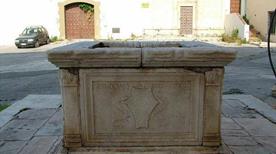
Cisterna di Cittadella
Piombino
(14 Km)
It is a typical white marble monument that dates back to the mid-fifteenth century. It was built by Andrea di Francesco Guardi. The construction is characterized, on three sides, by the depictions of three faces: that of Jacopo II, his wife and son. Instead, the fourth side engraved the Gentilizio Coat of Arms. Today it is in excellent condition.
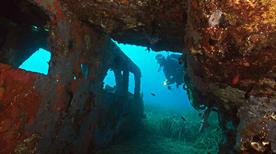
Relitto aereo Junker
Portoferraio
(33 Km)
The Junker is the wreck of an aircraft of the Luftwaffe, used in war missions during World War II. Some parts of the aircraft have been removed but the basic structure remains intact and offers a very impressive vision. At this point the currents are muted but the descent is recommended to experts because of poor visibility.
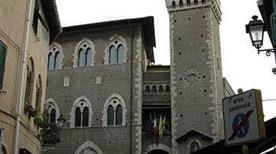
Palazzo dei Priori
Piombino
(14 Km)
The Palazzo Comunale di Piombino is a thirteenth-century monument. Before that, the monument was known by the name Palazzo dei Priori. The Clock Tower and the bronze bell date back to the beginning of the 17th century. A Romanesque column is recessed in the right atrium. Of great interest is the Council Room, the lunette on the front door is frescoed with a painting depicting the Madonna With Child.

Casa delle Bifore
Piombino
(14 Km)
The House of Mullioned Window or Casa Minelli, is a small palace in Piombino, located in via Ferruccio next to the Palazzo Comunale. Its name comes from mullioned windows with pointed arches and column on the façade. The building is assumed to date back to 1200. Currently, the building houses the Historical Archive of the city of Piombino. Today, public initiatives are organized to promote their heritage, guided tours and educational activities in collaboration with schools and with other bodies and associations.

Castello di Magona
Campiglia Marittima
(4 Km)
The Castle of Magona was built in the early 16th century. After being the residence of Leopold II Grand Duke of Tuscany, he passed under the management of the Merciai family who turned it into a “Historical Home” open to all visitors.

Castello di Montesolaio
Campiglia Marittima
(2 Km)