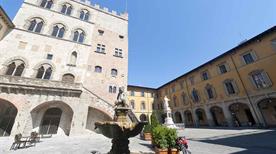
Museo Civico: Galleria di Palazzo Pretorio
Prato
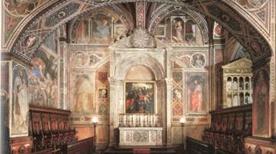
Museo Civico: Quadreria di Palazzo Comunale
Prato

Centro per l'Arte Contemporanea 'L. Pecci'
Prato

Galleria di Palazzo degli Alberti
Prato
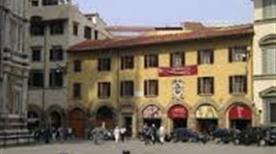
Museo dell'Opera del Duomo
Prato
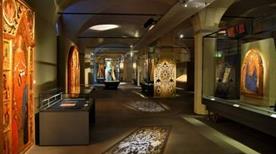
Museo del Tessuto
Prato
An important museum consisting of a diverse collection of fabrics. It is considered a testimony at the international level of the history and development of weaving.

Museo della Pieve di San Pietro
Prato

Museo di Pittura Murale
Prato
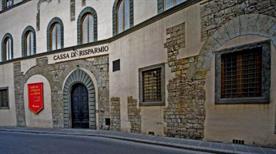
Galleria degli Alberti
Prato
The Alberti Gallery is welcomed in the homonymous Palace. The building, built in the thirteenth century, is located in the center of the city and has undergone several times renovations. The gallery, which is located on the first floor of the building, is rich in Baroque works, paintings and sculptures, dating back to the Six — Eighteenth Century. The main attractions of the Gallery are the paintings by the prestigious Caravaggio, Lippi and Giovanni Bellini.

Seminario e Badia di San Fabiano
Prato
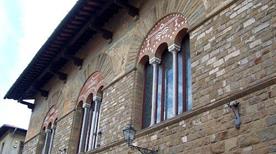
Bastione di Santa Trinita
Prato
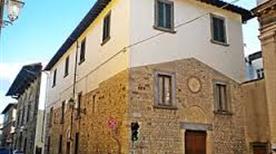
Chiesino di Sant'Jacopo
Prato
Palazzo Comunale
Prato
Always of the Middle Ages, with a neoclassical facade of 700. Beautiful the Council Hall which houses the Picture Gallery, a collection of portraits of 600. The Textile Museum is located on the ground floor.
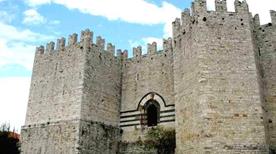
Castello dell’Imperatore
Prato
Also medieval, built by Emperor Frederick II. It is the only building of Swabian architecture in central and northern Italy. It was built for the control of the streets from the south of Germany.
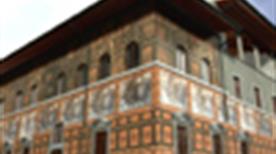
Palazzo Datini
Prato
The home of wealthy textile merchant Francesco Datini in 400. Highly influential figure, he got walled at his death, all his records and correspondence are in the palace. The archive was found in 900 and is kept in the palace.
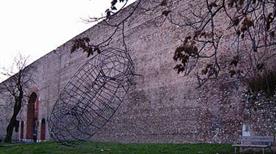
Mura
Prato
The circle around the old town still exists and was built in 400. It had six ports of entry and was connected with the castle through the Cassero.
Palazzo Apolloni Bini
Prato
Palazzo Becherini
Prato
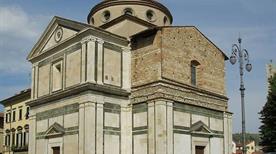
Basilica di Santa Maria delle Carceri
Prato
It faces the square with the castle. Of '500, with splendid works in glazed terracotta by Andrea della Robbia.

Cattedrale di Santo Stefano
Prato
The beginning of construction of the Cathedral of Prato started in '200, two-tone green and white with a beautiful bell tower on the right. The beautiful pulpit by Donatello and the frescoes in the Cappella Maggiore.
Piazza del Comune
Prato
Beautiful medieval square, enclosed on two sides by the Palazzo Comunale and Pretorio.
Fontana del Bacchino
Prato
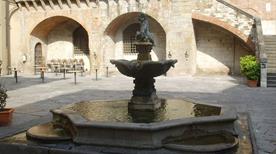
The original of this little boy sitting on the grapes, is located in the atrium of Palazzo Comunale, the one in Piazza del Comune is a copy. It symbolizes the rebirth of Prato as a city in 1665.
Eiexpo Artistic Drawing Room
Prato
Galleria Gentili
Prato

Museo Pecci
Prato
Fontana dei Delfini
Prato
Torre degli Ammannati
Prato
Torri Gemelle
Prato
Porta Mercatale
Prato
Porta Pistoiese
Prato
Porta Gualdimari
Prato
Antico Orificio Tessile
Prato
Oratorio Compagnia Ss.ma Trinita'Via Santa Trinita
Prato
Santuario della Madonna del Giglio
Prato
Monastero di Santa Margherita
Prato
Monastero di San Vincenzo
Prato
Oratorio di San Sebastiano
Prato
Oratorio di Sant'Ambrogio Vicolo dei Gini
Prato
Oratorio Madonna del Buonconsiglio
Prato
Monastero di S.Caterina da Siena
Prato
Oratorio di Sant'Antonio Abate
Prato
Oratorio Compagnia del Pellegrino
Prato
Palazzo Allegretti Vannuc
Prato
Palazzo Bizzocchi
Prato
Palazzo Francini Dabizzi
Prato
Palazzo Buonamici Nencini
Prato
Palazzo Leonetti
Prato
Palazzo Gini
Prato
Palazzo Crocini
Prato
Palazzo Vescovile
Prato
Villa di Sant'Anna in Giolica
Prato
Palazzo Rocchi
Prato
Villa Baroncelli
Prato
Palazzo degli Alberti
Prato
Palazzo Salvi Cristiani
Prato
Palazzo Verzoni Bizzochi
Prato
Palazzo Migliorati
Prato
Palazzo Geppi Naldini
Prato
Palazzo Briganti
Prato
Palazzo della Pubblica Assistenza
Prato
Palazzo Datini
Prato
Villa Baciocchi Imperiali
Prato
Villa dell'Agnello
Prato
Palazzo Banci Buonamici
Prato
Palazzo Magnolfi
Prato
Palazzo Gatti
Prato
Palazzo degli Spedalinghi
Prato
Palazzo Novellucci
Prato
Palazzo Fiorelli
Prato
Palazzo Buonamici
Prato
Palazzo Vai
Prato
Palazzo Modesti
Prato
Palazzo Modesti
Prato
Palazzo Goggi Marcovaldi
Prato
Palazzo Cai Lombardi
Prato
Palazzo Pacchiani
Prato
Villa Lemmi
Prato
Villa Guarducci
Prato
Palazzo Rocchi
Prato
Palazzo dei Sei
Prato
Palazzo Manassei
Prato

Duomo - Cattedrale Santa Maria del Fiore
Florence
(17 Km)
One of the largest cathedrals of Christianity, dating back to XIV Century and built in Gothic style in a traditional Florentine style, with large spaces, horizontal lines of different colors and decoration.
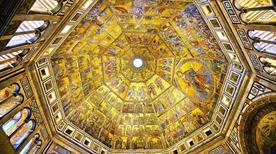
Battistero
Florence
(17 Km)
The baptistery next to the cathedral is a Romanesque building, which is known for its bronze doors. Opposite the cathedral stands the Golden Gate, also known as the "Gate of Paradise" by Ghilberti with scenes from the Old Testament.
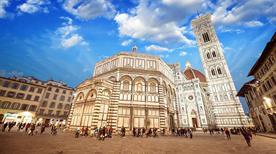
Piazza del Duomo
Florence
(18 Km)
Known in English as the Cathedral Square, Piazza del Duomo, is one of the most visited places in the world. Here you will find Florence cathedral and other famous statues and work of art. The square also houses other famous buildings which has great historical importance
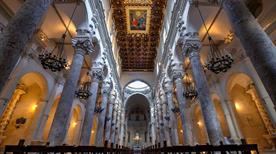
Basilica di Santa Croce
Florence
(18 Km)
This Franciscan church of the fourteenth Century is on the square by the same name. Inside there are the tombs of famous Florentines. Beside the church you can visit the Museum of Santa Croce.
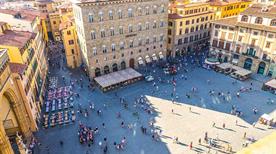
Piazza della Signoria
Florence
(18 Km)
Piazza della Signoria is an important point in the city of Florence as it depicts the history and origin of the Florentine Republic. It has maintained its reputation up to date as it is a political hub of Florence city. Here people hold meetings as well as tourist flock to get in touch with the great city. It is located in front of Palazzo Vecchio.
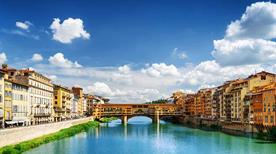
Ponte Vecchio
Florence
(18 Km)
The Ponte Vecchio is the oldest bridge in Florence and one of the symbols of the city. The bridge crosses the Arno River at its narrowest point and consists of three lowered arched passes. At the center of the bridge the shops are interrupted by two panoramic terraces from where you can admire a part of the beautiful Vasari Corridor. Another noteworthy element is the bust of Benvenuto Cellini, the most famous goldsmith in Florence.
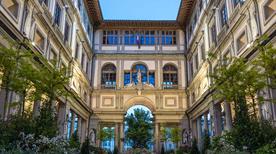
Palazzo della Galleria degli Uffizi
Florence
(18 Km)
One of the finest art galleries in the world, here you can follow the development of Italian painting, from the early beginnings until the seventeenth Century. The Renaissance palace was built by Vasari in 1560
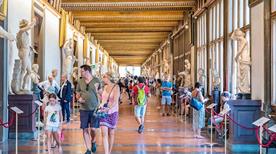
Galleria degli Uffizi
Florence
(18 Km)
Its origins date back to the year 1560. It is the most famous Italian gallery and one of themost famous in the world. Its collection consists of an immense artistic heritage from medieval to modern.
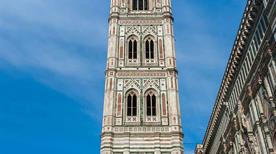
Campanile di Giotto
Florence
(17 Km)
The bell tower of the XIV century was built according to plans by Giotto, and is 82 meters high. At the bottom is decorated with reliefs (copies) by Andrea Pisano and Luca della Robbia.
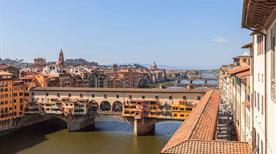
Corridoio Vasariano
Florence
(18 Km)
The corridor that leads from the Uffizi, where were the former administrative offices, to Palazzo Pitti. In the corridor there are ancient sculptures, sarcophagi, statues and busts of the Roman Empire
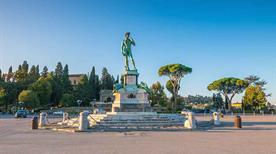
Piazzale Michelangelo
Florence
(19 Km)
The large terrace is situated on a hill on the left bank of the Arno. Famous for its view of the old town and the Ponte Vecchio, which is also immortalized in many postcards. In the center of the square there is a copy of David.
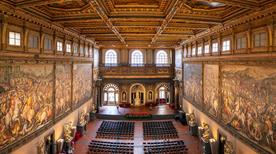
Palazzo Vecchio
Florence
(18 Km)
The palace is a symbol of the power of Florence and it has been the base of the government until Florence was the capital (1871). It is now a museum where you can admire paintings and sculptures.
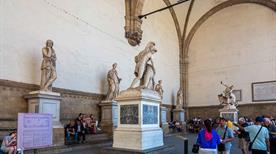
Loggia dei Lanzi
Florence
(18 Km)
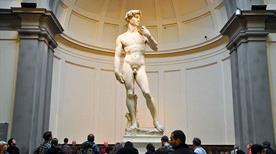
Galleria dell'accademia
Florence
(17 Km)
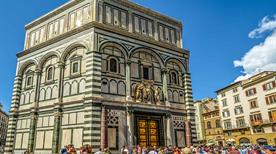
Porta del Paradiso
Florence
(17 Km)
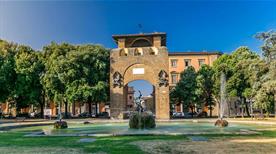
Porta San Gallo
Florence
(17 Km)
Porta San Gallo was built in the 13th century, and is part of the Florentine walls. It was famous because many powerful characters of the time passed beneath it, such as King Frederick IV of Denmark. Inside it has tombstones, which document parts of the history of Florence.
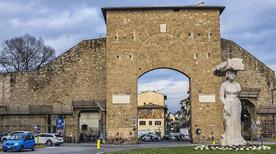
Porta Romana
Florence
(18 Km)
The Roman Door dates back to 1326. Like all other doors, over the years it has undergone interventions that have totally changed the original appearance of the door. Inside it houses frescoes and decorations of great historical importance.
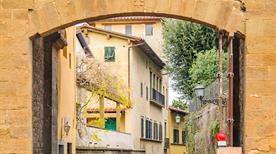
Porta San Giorgio
Florence
(18 Km)
Porta San Giorgio dates back to 1324, a period when the sixth Florentine wall circle was also erected. The original project was carried out by Andrea Orcagna, but over the years it was modified for military reasons. Of particular interest is a bas-relief of the '300 on the façade, and inside, a fresco of a religious character.
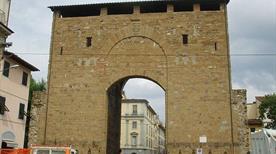
Porta San Frediano
Florence
(17 Km)
The door was built during the fourteenth century, together with the sixth circle of walls of the city. From its structure it can be said that it was designed to be the largest door in the area, but for reasons of war, over the years, it underwent several restorations that changed plans. On the facade there is also the stone coat of arms of Florence.
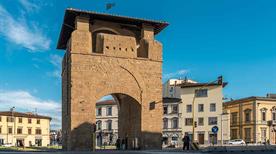
Porta alla Croce
Florence
(19 Km)
The door dates back at the same time as the walls of Florence in the '200. It took this name from the cross “al Gorgo” that was nearby, and was very famous for a legend from the area. Inside it has frescoes and tombstones, testimonies of Florentine history.
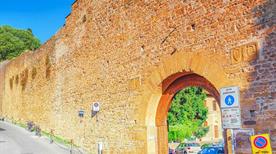
Porta San Miniato
Florence
(19 Km)
Porta San Miniato was built in the fourteenth century, together with the sixth Florentine wall circle. The current appearance is the result of a series of restoration work from 1996 to 2005. Over the years he has served as a defence and surveillance. On the structure there are two stone coats of arms of the Municipality.

Torre dei Marsili
Florence
(18 Km)
The Tower in question is a structure of the medieval type. It is thought that the construction of the tower dates back to the 12th century when it was outside the walls. It takes its name from the homonymous and oldest family in the city. In the nineteenth century, the tower was embellished with terracotta. The fortification has a rectangular shape and is divided into five floors. The large room, which is located on the top floor and from which you can enjoy the beautiful panoramic views, is the most recent part of the tower.
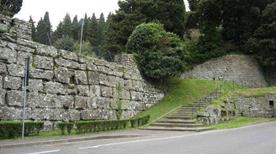
Mura Etrusche
Fiesole
(18 Km)
The Etruscan Walls of Fiesole were built in the Etruscan and Roman times around the 4th century BC. The Walls were built to defend the city from enemies. Part of these were destroyed in 1125, during the war for the conquest of Florence. The other part, the one inside the Archaeological Area, is still in excellent condition.
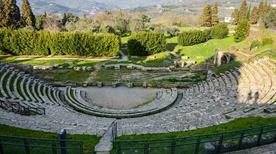
Parco Archeologico Citta' Etrusco-Romana
Fiesole
(18 Km)
The Archaeological Park of the Etruscan-Roman City contains buildings and finds dating from the 2nd and 3rd century AD. The excavations began in 1809 at the behest of Baron Friedman Schellersheim. The remains of the ancient Roman Theatre with a diameter of 34 meters, the Terme di Fiesole, and an Etruscan tomb with decorated pillars have been brought to light.
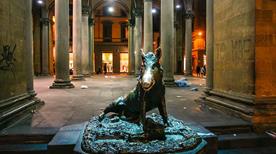
Fontana del Porcellino
Florence
(18 Km)
The fountain was built in 1612, and took this name from the statue of the wild boar it, in fact, presents. Initially it had only a decorative function, and then bring water to the merchants near the New Market. The original statue of the wild boar is located at the Bardini Museum, while the one on the square is a copy, built a few years later. There are superstitions about the boar: by touching his nose, it is thought to bring good luck.
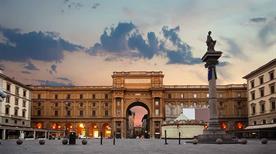
Piazza della Repubblica
Florence
(17 Km)
Known in English as the Republic Square, Piazza della Repubblica, is the city square of the capital. Today the Republic Square is famous for the historical literacy cafes, a meeting place for scholars and artists, or basically men of culture. It is a place where impromptu exhibitions are held on a regular basis.
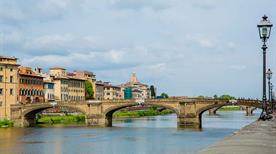
Ponte Santa Trinità
Florence
(17 Km)
The bridge was built in 1252 between Ponte Vecchio and Ponte alla Carraia and connects Piazza Santa Trinità and Piazza de' Frescobaldi. This bridge is described as one of the most beautiful bridges in Italy and among the most elegant in Europe. Elegance due to a curved line for the arches that anticipates the fashion of the Baroque and also to the four statues that decorate the corners and symbolize the four seasons. Over the years it has been destroyed several times and was then restructured, respecting the original project by Bartolomeo Ammannati.
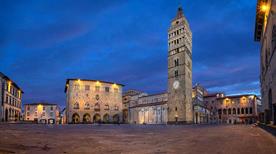
Piazza del Duomo
Pistoia
(16 Km)
The Piazza del Duomo of medieval origin, was founded in 400. In this square are located the most important public buildings in the city including: Palazzo del Comune, Palazzo dei Vescovi and Palazzo Pretorio. The square is dominated by the Duomo which has a suggestive facade with 3 orders of loggias. In the first half of 1900, it was modified into Romanesque-Pisan forms.
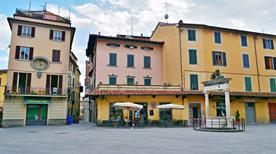
Piazza della Sala
Pistoia
(16 Km)
Piazza della Sala is located in the historic center of the city of Pistoia. Its name derives from the role he played in the Lombard era, when the Palazzo del Gastaldo stood there. Later it became the daily food market and on the sides of the square and in the nearby streets developed small shops with stone pallets and protruding canopies. Today it's one of the most beautiful squares in the city.
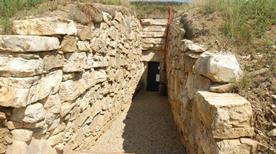
La Montagnola
Sesto Fiorentino
(11 Km)
The Tomb of Montagnola is located in the park of a private villa in Sesto Fiorentino. The tomb dates back to the 7th century BC, it was discovered in 1959. These are some Etruscan tombs, built from an external dromos and a 70 meter tumolo. They are still in good condition today.
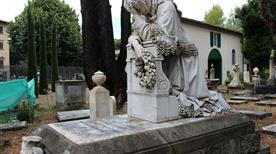
Cimitero degli Inglesi
Florence
(18 Km)
The English Cemetery, also known as' Protestant ', was formed in 1827 for non-Catholics and non-Jews, since at the time they could only be buried in Livorno. The original structure was designed by Carlo Reishammer, then it was Giuseppe Poggi who transformed it and gave it its current appearance. Of the different buried personalities we can mention: Elizabeth Barrett Browning, Beatrice Shakespeare, Robert Davidsohn and many other famous names. The cemetery can be freely visited at the set times.
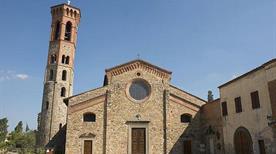
Badia di Settimo
Scandicci
(11 Km)
The Abbey, also known as the “Abbey of St. Salvatore and Lorenzo”, dates back to the tenth century. The structure has architectural elements of different styles, from Romanesque to Gothic and Renaissance. The interiors are carefully decorated and contain numerous liturgical objects and works of sacred art. The abbey is open to the public.
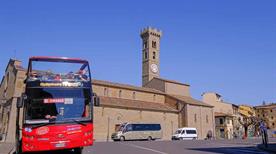
Cattedrale di San Romolo
Fiesole
(18 Km)
The cathedral of San Romolo was built in 1028 by Bishop Jacopo il Bavaro. Over the years, the cathedral underwent some restorations. The facade of the building was built by San Rimolo, in Romanesque style.
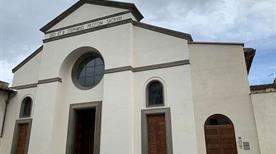
Pieve di Santo Stefano
Campi Bisenzio
(7 Km)
The Pieve di Santo Stefano has ancient origins dating back to 930, but some historians also date it back to 420. The church retains little of what was its original structure, also because of the various restorations concluded during the centuries. In spite of this, the Parish Church still retains several artistic works, such as “The Annunciation” by Paolo Schiavo and “Madonna with Child and Saints “by Francesco Botticini.
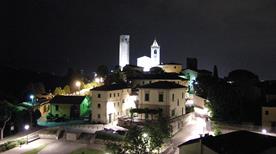
Villa del Cassero
Serravalle Pistoiese
(21 Km)
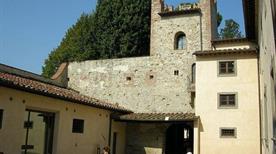
Castello dell'Acciaiolo
Scandicci
(15 Km)
The castle was erected in the '300, and purchased in the 16th century by Senator Roberto Acciaioli, from whom it also took its name. Today's structure is the result of a series of interventions carried out over the years. Today, it is home to “Bistrot of the World”.
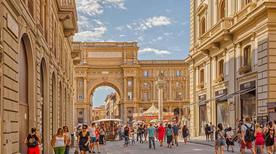
Centro Storico
Florence
(18 Km)
It has been described as the place where Renaissance architecture and art was born. It is a place that represent the history of Florence and Italy in general, it holds more than one can absorb, anybody visiting Florence is highly advised to make a stop here and get a clear picture. Today Unesco heritage site.
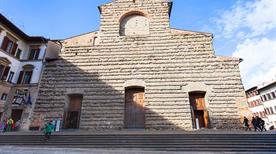
Basilica di San Lorenzo
Florence
(17 Km)
At the heart of the city you will find one of the largest churches in Florence, a place where the principals of Medici family are buried. It is a place where one can learn a lot about history as well as get to see the medieval architecture.
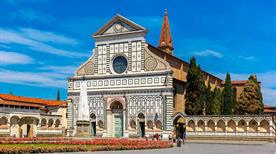
Chiesa di Santa Maria Novella
Florence
(17 Km)
The first great Basilica in this region, a church in Florence located near the main railway station, it is a master piece of art with beautiful structures that are captivating. The interior of this church takes a basilica plan which is designed as a Latin cross; it has nave, two aisles and a short transept
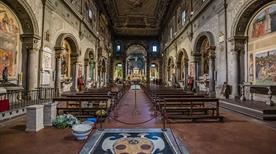
Chiesa di Ognissanti
Florence
(17 Km)
All saints Church has a rich history, it is also an architectural masterpiece which stands out among the medieval building. The Church is known for the Baroque art and the beautiful sculptures which stand out. Here visitors not only get a chance to get in touch with the past but also get a spiritual fulfillment.

Basilica di Santa Maria del Carmine
Florence
(17 Km)
The Santa Maria del Carmine, Florence has been in existence since 1268, with modifications in 1328 and 1464.It was also renovated in the 16th and 17th century using the Baroque style. After it was destroyed by fire in 1771, it was rebuilt using the Rococo style .The interior of the church looks marvelous with medieval sculptures and painting.
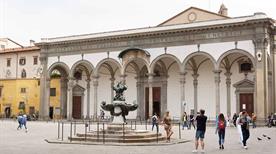
Basilica della Santissima Annunziata
Florence
(17 Km)
Santissima Annunziata, Florence is translated in English as the Basilica of the Most Holy Annunciation. It is found in North Eastern part of Piazza, Florence. It was built in 1250 by the original members of the organization known as the service order. It is here that an Annunciation painting which is believed to have been finished by an Angel when a monk who could not finish due to his perceived inadequacy it was asleep.
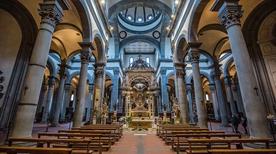
Basilica di Santo Spirito
Florence
(17 Km)
A magnificent piece of Renaissance architecture is the kind of description that one can give Santo Spirito, Florence. The church having been built in thirteenth century stands tall as one of the most beautiful medieval buildings in Oltramo Quarter in Florence.

Il Battistero di San Giovanni in Corte
Pistoia
(16 Km)
In the square of the Duomo opposite the cathedral rises the Baptistery. Its reconstruction in its present form was started with an octagonal base starting from 1301. In Gothic style, decorated in green and white marble.
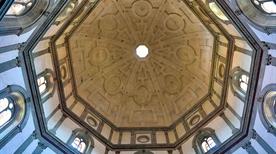
Basilica Madonna dell'Umiltà
Pistoia
(16 Km)
Our Lady of Humility was built in the 13th century. It is a basilica of Pistoia dedicated to the Virgin Mary. The structure of the basilica is rich in works of art. The Basilica of Our Lady of Humility is known for its large dome 59 meters high built by Giorgio Vasari.
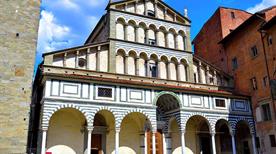
Cattedrale di San Zeno
Pistoia
(16 Km)
The Cathedral of San Zeno is located in Pistoia and was built in the tenth century. Initially, it was named after San Martino, but over time it was dedicated to San Zeno. It is the place of worship of the city of Pistoia. Inside the cathedral you can see the exhibition of refined sculptures. The cathedral has suffered several damages over the years. The bell tower of the church is dedicated to the “Bishop Moro”.
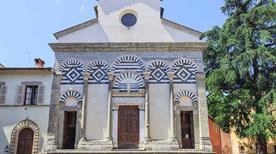
Pieve di Sant' Andrea
Pistoia
(16 Km)
The Parish Church of Sant'Andrea or Church of Sant'Andrea is a church built in the 8th century and is dedicated to St. Andrew the Apostle. It is also part of the Diocese of Pistoia. Originally it was smaller in size and later in the twelfth century only the length was changed, which gave the building a vertical momentum that still fascinates many. You can see inside a sculpture depicting the journey of the Magi of Gruamonte.
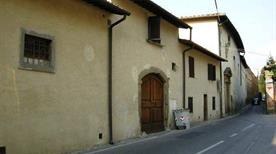
Monastero Santa Marta
Florence
(16 Km)
The first structure of the monastery was built in the fourteenth century, commissioned by the will of Lottieri Davanzati. Because of the damage it suffered, the building was completely restored by Giovanni Davanzati, who decided to dedicate it to S. Marta. Inside there are frescoes from the 800, depicting biblical stories.
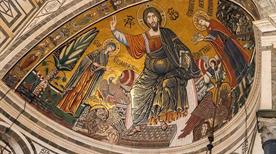
Basilica di San Miniato al Monte
Florence
(19 Km)
A fine Romanesque structure standing at one of the highest point of Florence city, this is the short description of San Miniato al Monte, translated into Saint Minias on the Mountain. The church is believed to be one of the most beautiful in Italy. It is named after an Armenian prince who was serving Under Emperor Decius in Roman army.
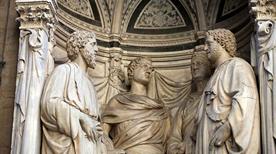
Chiesa di Orsanmichele
Florence
(18 Km)
Orsanmichele is a church and a museum which is famous for sculptures depicting saints .The building was originally built as a grain market and later turned into a church. The sculptures which are found in the museum to day are only copies the original have already been removed and placed in different paces
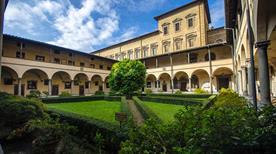
Chiostro di San Lorenzo
Florence
(17 Km)
The cloister of the Basilica of San Lorenzo was designed by Brunelleschi and was created by its student Antonio Manetti. The building has a double loggia, with round arches on the lower floor and architraved on the upper floor. Previously, the homes of the canons and the environments of monastic life were placed.
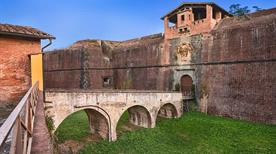
Fortezza di Santa Barbara
Pistoia
(15 Km)
The Fortress of Santa Barbara was built in the 16th century as part of the fortifications established by the will of Duke Cosimo I dei Medici. In 1571, changes were made to the initial structure that gave the appearance it still preserves. Built with military architecture, it does not provide for decorative solutions. Throughout history it has been used as a barracks, but also as a military prison.
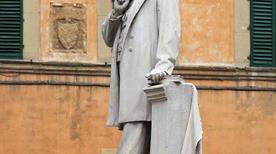
Monumento a Cosimo Ridolfi
Florence
(17 Km)
The statue was created by Raffaello Romanelli in the '800, dedicated to the famous georgophilic, Cosimo Ridolfi, who made a great contribution to agriculture. It has recently been the subject of restoration for the 180th anniversary of the Cassa di Risparmio in Florence.
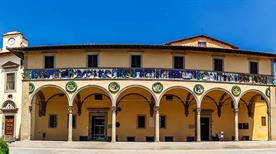
Ospedale del Ceppo
Pistoia
(16 Km)
A few steps from Piazza Duomo, heading north, is the Ospedale del Ceppo, the most important social institution of Pistoia. The building was built in the 13th century. The facade is decorated with a beautiful Florentine portico and by the famous Robbiano frieze that runs, horizontally, over the entire facade.
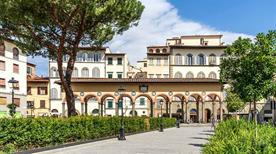
Loggia del Pesce
Florence
(18 Km)
The Loggia del Pesce is a structure designed by Cosimo l in 1567. It was set up to allocate the sellers of fish hunted from the Ponte Vecchio, since the Vasari corridor had to be built. The loggia is built from two rows of 9 arches each and by columns of Tuscan order, covered by vaults with a shell. During the years 1885 to 1895 it was rebuilt by recovering the best preserved parts.
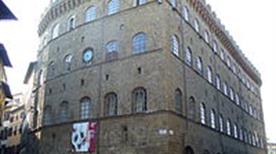
Palazzo Spini Feroni
Florence
(17 Km)
Located in piazza Santa Trinita, Palazzo Spini Feroni denotes the life of the Florence richer banker and a merchant, Geri Spini.It is hailed as one of the grandest medieval palace in the city of Florence, since 1995 the mediaeval palace houses a museum which is dedicated to a famous shoe designer Salvatore Ferragamo
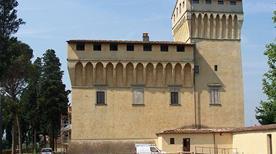
La Smilea
Montale
(8 Km)
Historical news of the Smilea Castle began in 1427, when it was owned by the noble Panciatichi family. The castle was located in a strategic position along the route of the Via Cassia Clodia. In 1611 the property passed to the Florentine nobleman, Francesco di Piero Covoni, who transformed the building into a stately villa. From the early 1990s the structure passed to several owners until in 2003 it passed under the ownership of the Municipality of Montale.

Rocca o Castello di Larciano
Larciano
(17 Km)
The Castle or Rocca di Lanciano is located on the slopes of Monte Albano. From some written sources, it appears that it had already been built in the tenth century and that it belonged to the family of the Guidi Counts. From its position it dominates from above the whole country. Precisely for this reason it was a fundamental strategic point from the mid-thirteenth century onwards. Fortunately, today it is in excellent condition and is open to the public.
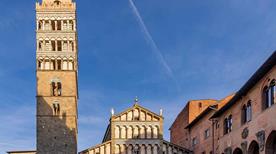
Palazzo dei Vescovi
Pistoia
(16 Km)
The Bishops' Palace represents an important example of civil architecture of the Middle Ages, in the heart of the city of Pistoia. It also houses the Chapter Museum, which houses the sacred furnishings and liturgical vestments coming from the Cathedral of San Iacopo.
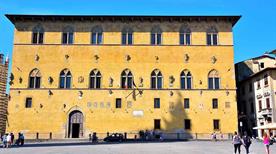
Palazzo Pretorio
Pistoia
(16 Km)
This building is one of the oldest buildings in Pistoia. According to official documents, Palazzo Pretorio was built after the year 1300 and was the seat of the administrators of the city. In 1880 the palace became the seat of the Court of Justice and changes were indispensable to renew the building and adapting it to the new function.
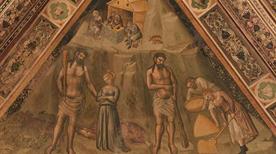
Palazzo del Tau
Pistoia
(16 Km)
The Palazzo del Tau is an ancient monastery of the Hospitaliero di Sant'Antonio Abate. Today home to the Marino Marini Museum, inside it we can find sculptures, paintings, lithographs and etchings by the artist known for his sense of movement and drama. The building is also home to an active multipurpose space, in the lobby of the museum there are, in fact, numerous concerts, theatrical performances, conferences, poetry readings or book presentations, enriching the artistic and cultural repertoire of the city.
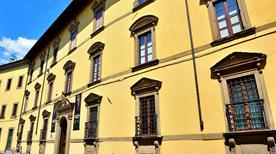
Palazzo Fabroni
Pistoia
(16 Km)
The structure of the 700 is named after the noble family of the Fabroni who lived there until 1842. It is home to the activities related to the contemporary visual arts of the Municipality of Pistoia. Inside we find the splendid pulpit by Giovanni Pisano (1301). Numerous collections in the building, in particular artists linked to the city by birth and adoption.
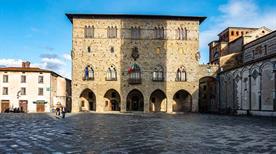
Palazzo del Comune
Pistoia
(16 Km)
On the facade stand out the arms of the Medici and the head of the King of Majorca Negro Musetto, killed by a captain of Pistoia in 1114. The interior is decorated with beautiful frescoes.
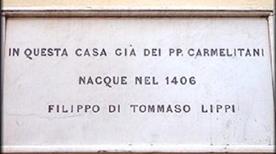
Casa di Filippo Lippi
Florence
(17 Km)
The house is assumed that it was built around the fifteenth century, and it was the building, where the great artist Filippp by Tommaso Lippi was born and lived. The structure is simple, small, but well maintained. On the facade there is also the tombstone dedicated to Lippi. Currently the house is the property of the Carmelite Fathers.
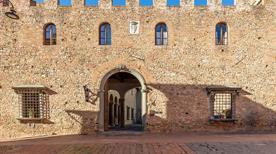
Casa Ridolfi
Florence
(18 Km)
Casa Ridolfi was built in the '300, but its current appearance is the result of a deep restoration of the 19th century. It took its name from its owners, the Ridolfi di Piazza, in honor of which there is also the coat of arms on the facade. The structure is solid, and made of strong stone, with simple decorations.
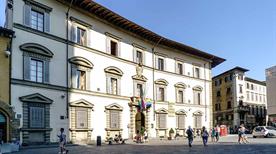
Palazzo Guadagni
Florence
(17 Km)
The palace was built in 1502, at the behest of Riniero di Bernardo Dei, a silk merchant. The structure is in Renaissance style very different from the other neighboring facilities. The Earnings, from which it also took its name, were the owners of the structure since the '600 and turned the palace into a three-star hotel. Today, we still find all the old decorative elements preserved.
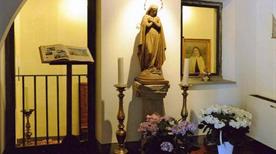
Eremo Carmelitano S.Maria degli Angeli
Scandicci
(15 Km)
The monastery dates back to 1987 and welcomes a group of Carmelite nuns. The building, where different liturgical rituals are made, is furnished with modesty and simplicity. In its interiors, various icons, portraits, and numerous religious objects are preserved, which give a spiritual nature to the monastery.

Villa Medicea di Poggio Imperiale
Florence
(19 Km)
The villa was built in the '500. Over the years, the structure has undergone several restorations, which gave it a totally different look from the original one. The building was amplified and enriched with neoclassical decorations. Today, the villa hosts a religious female college.
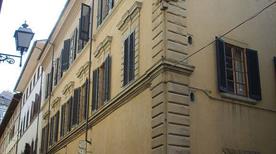
Casa di Bettino Ricasoli
Florence
(17 Km)
The palace dates back to the 17th century and took its name from Bettino Ricasoli, who lived in its interior. The structure is typical Florentine, and has simple decorative elements. Over the years, the palace hosted many political meetings, organized by Ricasoli. Currently, the Cassa di Risparmio di Firenze has its headquarters.
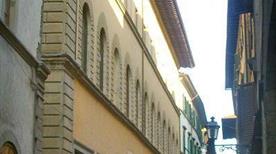
Palazzo Salviati
Florence
(18 Km)
The palace dates back to the '400, it was purchased in 1456 by Jacopo Salviati, from whom it also took its name. Over the years, the building had numerous owners and in 1709 it hosted the King of Denmark, Frederick IV. Inside there are works of art from different periods, there are frescoes, paintings, sculptures, works by great artists such as Donatello, Cellini and Bronzino. Today, the building is home to Banca Toscana.
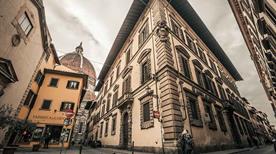
Palazzo Pucci
Florence
(17 Km)
The palace was built during the 16th century by Bartolomeo Ammannati. It took its name from Lorenzo and Roberto Pucci, who commissioned the construction. The structure features elements of the neoclassical and architectural decorations of the '800, combined with ancient works, belonging to the family. Currently, it houses a shopping gallery.
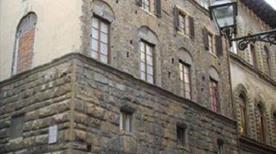
Palazzo Soldani
Florence
(18 Km)
The palace, also known as “Palazzo Vita”, was built in the fourteenth century, and took its name from the Soldani family, who bought it in 1480. The current appearance is the result of a series of restorations undergone in 1908, which changed the entire facade, giving the structure new elements, very different from those of the '300. The palace is considered a national heritage of art.
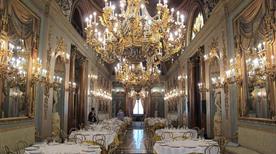
Palazzo Borghese
Florence
(18 Km)
The Borghese Palace dates back to the Neoclassical period and is one of the most important buildings in the city. Inside it still has beautiful frescoes today. The structure was owned by the Borghese family from which it also took its name. In 1843 it was purchased by Luigi Cappelli. Currently, it houses an accommodation facility.
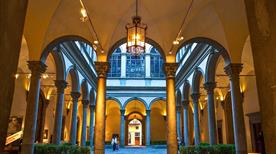
Palazzo Strozzi
Florence
(17 Km)
Palazzo Strozzi is a fifteenth century Palace which was built by Benedetto Maiano for a high class elder who was a great rival of Medici rule. He wanted a paramount place where he could continue to show the family prominence. The palace is now home to the Humanist studies Institute
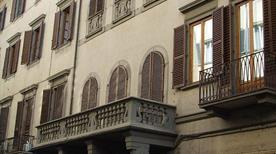
Casa alla Rovescia
Florence
(17 Km)
The Overhead House has a very special architectural structure. The balcony is supported by strong enough supports, but the building elements are put upside down: a detail that's quite bizarre for the weather. By many, it was initially thought of as a 'joke' of the architect.
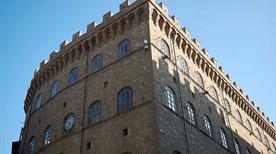
Palazzo Rucellai
Florence
(17 Km)
Palazzo Rucellai is a 15th century palatial townhouse located in Florence, Via della Vigna Nuova.The palace is thought to have been designed by Leon Battista in the years between 1146 and 1451.The magnificent building is a big attraction to the visitors due to its beautiful designs and marveling architectural work
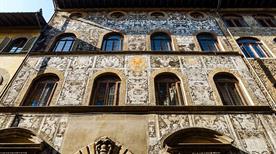
Casa di Bianca Cappello
Florence
(18 Km)
The palace was erected in the 16th century, at the request of Francesco I de' Medici for Bianca Cappello, his lover. The project was carried out by Bernardo Buontalenti, and over the years there were grotesque decorations, and many other architectural details of the '600. On the facade, there is the coat of arms of the Cappello family. Currently, the building houses the laboratories and the Cabinet Vieusseux archive.

Casa Agostini
Florence
(17 Km)
Casa Agostini, also known as “Palazzo Agostini Suarez”, was the residence of the homonymous family. The Agostini commissioned its construction in Baccio d'Agnolo, famous at the time for other plants of the genre. The structure has decorative elements of rectangular or square shape, and on the façade there is a coat of arms of the Art of Calimala.
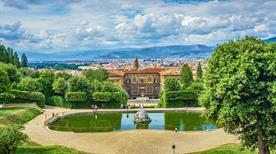
Palazzo Pitti
Florence
(18 Km)
Palazzo Pitti has a rich history, it was originally owned by a famous Italian banker, Luca Pitti.It was later bought by the Medici family and became the main residence of the Grand Duke. Here a visitor will find great possessions which were amassed over time; jewelry, paints and other luxurious possessions can be found here
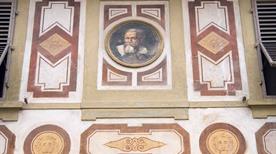
Casa di Galileo Galilei
Florence
(18 Km)
The house was called 'Galileo Galilei, 'since it was purchased by the scientist in 1634. The original structure dates back to the '300, but it has undergone numerous restorations over the years. On the facade there is the coat of arms with the image of Galilei, and a tombstone that testifies to the visit of Ferdinand II, a Grand Duke of the Time, in the palace.

Casa Nasi Già Quaratesi
Florence
(18 Km)
The building dates back to the fifteenth century, as a union of old plants already existing in the area. It took its name from the Nasi family, who lived in its interior for many years. The structure has elements of the post-Renaissance Florentine, and on the façade there is a plaque dedicated to Carlo Torrigiani, a personality of the '800. Currently it hosts several art exhibitions in the area.
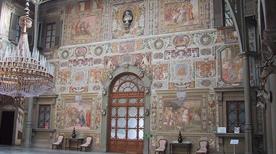
Villa la Petraia Sesto Fiorentino (FI)
Florence
(13 Km)
Villa La Petraia sits in Castello,the building one of the Medici villas has changed hands several times since it was built. In 1364 it was in the hands of Brunelleschi family, in 1422 it was bought by Strozzi Palla and later sold to Salutati family before finally settling at Medici family. The house is open to the public view free of charge.
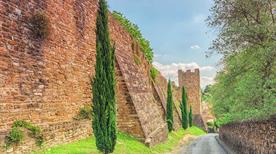
Forte Belvedere
Florence
(18 Km)
A fort with great historical importance, it served several purposes; it was used to protect the city from outside aggression, as a palace for the Florence rulers and as a symbol of power, it was also the structure which was to provide protection for the Grand Duke if the city came under any outside aggression.
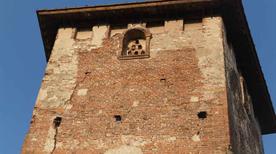
Rocca Strozzi
Campi Bisenzio
(7 Km)
The Strozzi Fortress was built during the eleventh century by the Mazzinghi family and was later rebuilt by the Florentine Republic after the Battle of Montaperti. It is located near the bridge that connects the historic center with the western districts of Campi Bisenzio. After losing its defence function, it was purchased by the Strozzi family who made it a farm.
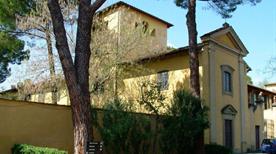
Villa Montalvo
Campi Bisenzio
(7 Km)
Villa Montalvo was built around the 14th century and takes its name from the Ramirez de Montalvo family who lived there for about three centuries. The building had several passages of ownership starting from the Tornaquinci family and then continuing with the family of Sodo and Spinelli. The structure consists of two quadrangular buildings surrounded by historic gardens that are located in the Park that takes the name of the same villa. Since 1984, the ancient residence has switched to the management of the Municipality of Campi Bisenzio.
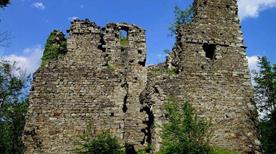
Rocca Cerbaia
Cantagallo
(16 Km)
The Rocca Cerbaia dates back to the 11th century. It stands on a hill, 400 m above sea level. Despite today there are only ruins left, it had a certain importance in the past, especially since it was home to Counts Alberti and then of Emperor Federico Barbarossa. One of the reasons why there is so little of the structure today is the fact that it was always used as a centerpiece in times of war.
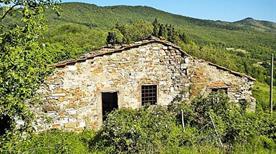
Castello di Montauto
Cantagallo
(13 Km)
The Castle of Montauto is assumed to date back to 1164 and was used as a home by the Alberti. Later it became owned by the Florentines. Unfortunately, it is in total abandonment and is used by locals with agricultural function. Despite this, it is possible to visit it and see what is left of it.
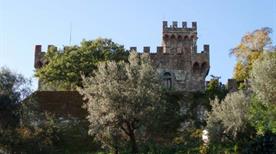
Castello di Vincigliata
Fiesole
(20 Km)
The Castle of Vincigliata was built around 1031 by the Visdomini, one of the richest families in the area at that time. Later it became Usimbards. Over the years, restorations were made, which made it possible to keep the building in good condition and open to visitors. Today it is used as the headquarters of a service center and for various conferences.
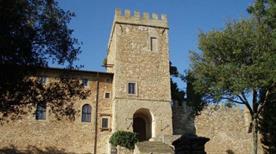
Castel di Poggio
Fiesole
(20 Km)
In 1348 the castle was destroyed by the Signoria of Florence. In 1469 the remaining part of the structure was taken by the Alessandri, who rebuilt it, transforming it into a stately home. The last owners, the Baduels, donated the castle to a foundation. Today the structure is home to a cultural center, which is administered by the foundation itself.
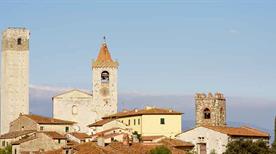
Torre del Barbarossa
Serravalle Pistoiese
(21 Km)
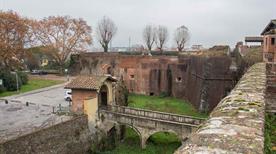
Mura di Pistoia
Pistoia
(15 Km)
For centuries a clear separation between the city and the surrounding countryside and while the town grew, the walls were extended. Pistoia is still surrounded by the remains of three walls which are open to visitors every day.
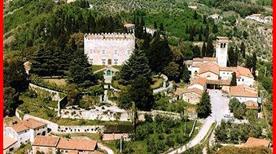
La Rocca di Montemurlo
Montemurlo
(7 Km)
In the municipality of Montemurlo (PO), at the top of the homonymous hill (180m above sea level), surrounded by a forest of holm oaks, olive trees, fir trees, chestnuts. From its position, on sunset days, the entire plain of Florence-Prato-Pistoia dominates.
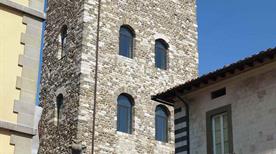
Torre di Catilina
Pistoia
(16 Km)
Considered a historical monument of the city, it was built in the 9th century in Piazza del Duomo. Built entirely of stone, the tower is about 30 meters high. A lookout terrace has also been added to the roof, thanks to the panoramic position that allows the complete view of Piazza del Duomo.
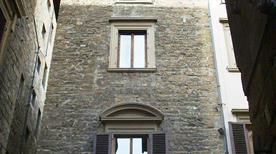
Casa Torre dei Ghiberti
Florence
(18 Km)
The Tower of the Ghiberti, also known as the “Widows”, dates back to the '200. It took its name from the Ghiberti family, who bought it in 1259, and also changed the structure. The plant has simple architectural elements in stone and wrought iron, which were restored during the '900. It hosted several descendants of the family, including also the famous artist Lorenzo Ghiberti.
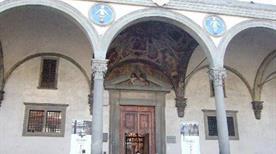
Galleria dello Spedale degli Innocenti
Florence
(17 Km)
The Galleria dello Spedale degli Innocenti was designed in the early fifteenth century by Filippo Brunelleschi. The building is located in one of the most important architectural areas of Florence, in the upper loggia of the cloister, the children's living room. In the gallery we can admire works and objects such as paintings on the table, frescoes, furniture, furnishings and a series of illuminated codes from the 14th and 15th centuries. The hospital itself was designed to welcome the abandoned children.
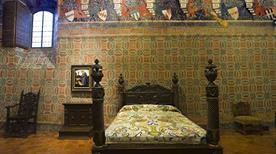
Museo della Casa Fiorentina Antica
Florence
(18 Km)
Museo dell'Antica Casa Fiorentina is located in Palazzo Davanzati and was inaugurated in 1956 by the great antiquarian Elia Volpi, who bought the palace in 1904. The museum was inaugurated under its current name, as it reflects the appearance of an ancient Florentine house with furnishings from the fourteenth to the nineteenth century. Inside the museum we can find a diversity of collections, from the collection of archaic ceramics and hand warmers of the 18th century in the shape of a shoe, to sculptures, paintings, furniture, lace, etc.
Museo della Fondazione Horne
Florence
(18 Km)
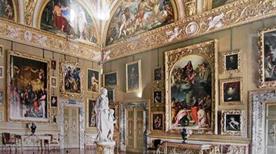
Palazzo Pitti: Galleria d'Arte Moderna
Florence
(18 Km)
The Gallery of Modern Art is located on the second floor of the Pitti Palace. Inside the gallery there are works of art in neoclassical style that reflect Italian art from the '700 to the early 1900s to the years of the First World War. Among the works we can admire the painting of the Saxon Oath, the entrance of Charles VIII and the sculptures of Calliope, Psyche and the famous Abel. The collection was chosen by the best works from the competitions of the Academy of Arts and Drawing.
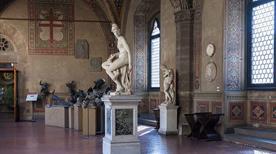
Museo Nazionale del Bargello
Florence
(18 Km)
Since 1865, the Palazzo del Bargello houses the eponymous museum with works by Michelangelo, Donatello, Giambologna and Cellini. It preserves prestigious collections of ceramics, furniture, bronzes, or the result of private donations from the Medici collections.
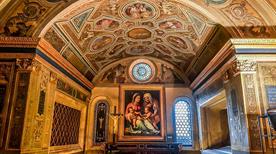
Museo di Palazzo Vecchio
Florence
(18 Km)
The Museum of Florence is a fourteenth-century structure inside the Old Palace. At its origins, it was called the “Palazzo dei Priori” and later changed its name several times. Inside the Museum, there are wonderful rooms in which the magnificent works of Donatello, Verrocchio, etc.
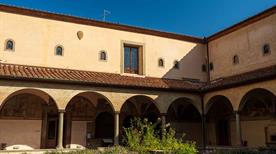
Museo di S.Marco
Florence
(17 Km)
The origins of the Museum of San Marco date back to the fifteenth century. The National Museum is located in an old Dominican convent located in Piazza San Marco in Venice. Inside the Museum we can admire paintings from the sixteenth century, part of the best collection of paintings in the world. These are works of extraordinary beauty, including some by Blessed Angelico. Many fascinating frescoes are found in the cells that once hosted the monks.
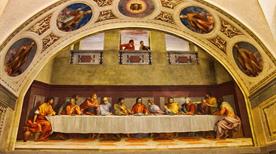
Cenacolo di Andrea del Sarto
Florence
(18 Km)
It dates back to the early sixteenth century. Here they settled the cloistered nuns of the Blessed Humility. The Last Supper was painted by Andrea del Sarto and now houses the works of his contemporaries and his followers.
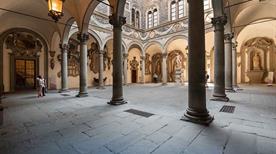
Palazzo Medici Riccardi
Florence
(16 Km)
In this building you run through four centuries in the history of art. The gem of the buildingis the Chapel of the Magi: a famous cycle of frescoes by the Florentine BenozzoGozzoli, a pupil of Beato Angelico. Do not miss it!
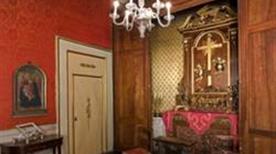
Casa Martelli
Florence
(17 Km)
An artistic journey which includes works by Donatello and Caravaggio. The collection of the Martelli family has its origin in the years 1668 to 1669. A gallery of paintings and sculptures of great value to see!
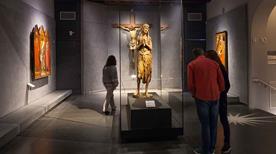
Museo dell’Opera del Duomo
Florence
(17 Km)
An interesting place to learn about the Florentine sculpture. Well known is the model of the dome by Brunelleschi, the statues that adorned the facade of the cathedral dedicated to Santa Maria del Fiore and the marble group of the Pietà by Michelangelo. A must see.
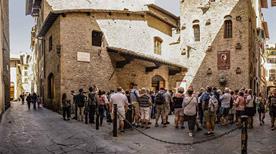
Casa Museo di Dante
Florence
(18 Km)
In the Museum-house of Dante you can learn about the life, works of the poet and the story of his family. A path in the Florence of his time. This educational museum is a journey in the Middle Ages to be done!
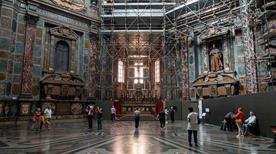
Cappelle Medicee
Florence
(17 Km)
A tour to see the areas of great historical and architectural interest, where you will find the mausoleum of the Medici grand dukes. Do not miss the New Sacristy, by Michelangelo, began in 1521.
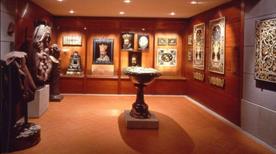
Opificio delle Pietre Dur
Florence
(17 Km)
This is a public institute which is well known for restoration of arts as well as providing a forum to teaching arts. The institute has a library where visitors can read about the preserved precious stones. There is also a scientific laboratory where research and diagnostics services are conducted.
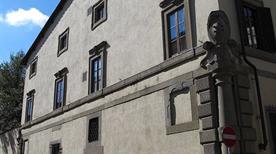
Casa di Andrea del Sarto
Florence
(18 Km)
The building was built in 1520, on commission by Andrea del Sarto, from whom it also took its name. Over the years, it became the property of several characters, who changed the structure. Frescoes were added, the coat of arms and the façade was also restored. You can easily notice the plaque dedicated to Andrea del Sarto, moreover, inside there is also a collection of works of art from the '600.
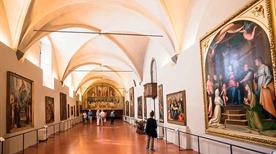
Convento di San Marco
Florence
(17 Km)
San Marco, Florence is a religious place which houses a church and a convent. The convent has now been turned into a museum which has its own reputation; it was the home of the famous Dominicans, Fra Angelico the painter and Girolamo the preacher. The convent also houses the collection of manuscripts which are of great value.
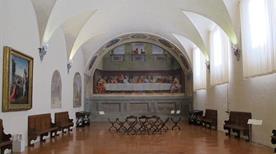
Cenacolo di San Salvi
Florence
(19 Km)
The Upper Room, a fresco typical of the monasteries of Florence, was born in the 16th century. It was created by Andrea del Sarto, one of the most famous artists of the Renaissance. This is the Last Supper, one of the well-known episodes of the Bible, worked very carefully. Currently, it is located inside the homonymous museum.
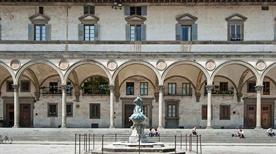
Ospedale degli Innocenti
Florence
(18 Km)
The building was initially started as a children orphanage, later turned into a hospital and after its closure it was converted into a Museum which currently houses Renaissance art. There is a lot to learn in this building ranging from the building designs which have been used in its construction as well as the artifacts housed here.
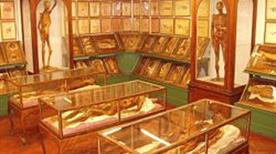
La Specola
Florence
(18 Km)
La Specola, the oldest scientific museum in Italy and whole of Europe for that matter, is also known as the Museum of Zoology and Natural History; it is located in Florence near the famous Pitti Palace. It is one of the museums in Italy which has deep ties with History; it has collection which date back to Medici family dynasty.
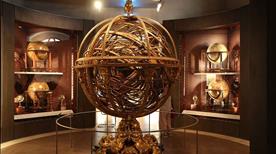
Museo Galileo
Florence
(18 Km)
A university of Florence Museum which was founded in 1927 is home to hundreds of collections, one of them a finger the famous Galileo’s finger. The museum also houses many artifacts, most of which are known to be the pioneer in the scientific world; you will find world globes, telescopes and navigation equipments.
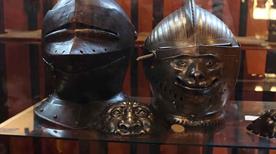
Museo Stibbert
Florence
(16 Km)
On the hill of Montughi, Florence lies the Stibbert Museum which has more than thirty six thousand artifacts drawn from Western and Eastern civilization. These artifacts were collected by the founder of the Museum Fredrick Stibbert; there are also collections from allover collection kept here in the honor of Fredrick.
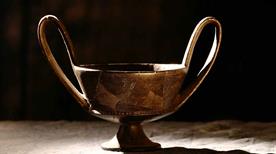
Museo Civico
Larciano
(17 Km)
The Civic Museum has been housed, since 1975, inside the Castle of Larciano. The exhibition includes archaeological finds from the national and local territory. We can therefore admire you several polychrome majolica, incineration tombs and metal objects that date from a period ranging from prehistory to the modern age.
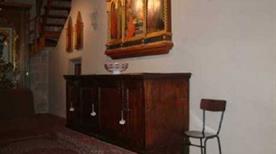
Museo Parrocchiale della Propositura di S. Martino a Gangalandi
Lastra a Signa
(12 Km)
The Parish Museum of Prepositure is located in the interior of the Church of San Martino. The church has a Romanesque structure with fifteenth-century details. The museum was inaugurated and opened in 1986 and exhibits vicarial collections in its rooms. Among the collections the most particular one is the one set up in the former new sacristy in which relief works by Lorenzo Monaco are exhibited.

Museo del Santuario di Fontenuova
Monsummano Terme
(23 Km)
The Museum of the Sanctuary of Fontenuova was founded by the parish priest of the Sanctuary as a place for conservation and exhibition of sacral works. Of particular interest are the works of the venerated Madonna di Fortenuova and some objects from the Treasure of the Sanctuary. The Museum was also enriched by various objects donated by the faithful and the Church of Monsummano Alto.
Museo di Casa Giusti
Monsummano Terme
(23 Km)
The Museum of Casa Giusti was established in 1992 as a National Museum and is located in the home of the poet Giuseppe Giusti. The museum space is divided on two floors where documentary materials from the life of the poet are exhibited, thus retracing, even through a virtual journey, the splendid poetic production of the nineteenth century.

Museo di Arte Contemporanea e del Novecento
Monsummano Terme
(22 Km)
The Museum of Contemporary and Twentieth Century Art is located inside Villa Martini and was established in 2000. It exhibits contemporary works by artists such as Pietro Annigoni and Vinicio Berti. The Museum periodically organizes exhibitions of sculpture, painting and graphics not only by Italian artists but also of artists of international importance.
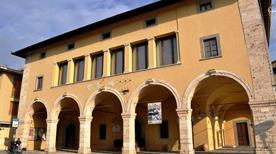
Museo della Città e del Territorio
Monsummano Terme
(23 Km)
The Museum of the City and Territory is located in the old Osteria dei Pellegrini of Monsummano Terme. The Museum exhibits materials related to the history of the settlements of the Valdinievole and to the reclamation of the Padule di Fucecchio. Divided into sectors, stands out the section dedicated to the “Treasure of Mary Most Holy of Fortenuova” where objects of sacred art are collected.
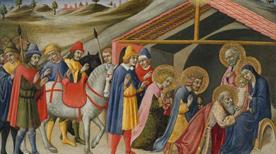
Museo Civico
Pistoia
(16 Km)
The civic museum is located in the Municipal Palace and is arranged on two floors. At the first we find tables with paintings and ancient works, sixteenth-century works from the 13th century to the sixteenth century; on the second floor we have works of Florentine and Pistoia painting.
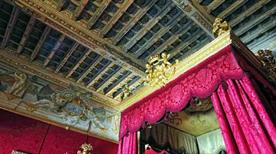
Museo Diocesano
Pistoia
(15 Km)
The Diocesan Museum of Pistoia was initially positioned at the Bishop's Palace, but since 1990 it has been based in Palazzo Rospigliosi. It was founded in 1968, to show the public an exhibition of the ecclesiastical heritage and present the history of sacred art. This also offers a collection of historical documents and prayers written on stone. The museum is open to the public.

Museo della Cattedrale di San Zeno
Pistoia
(15 Km)
The Museum of the Cathedral of San Zeno is located inside the cathedral located in Piazza Duomo. It dates back to the 19th century and preserves the ecclesiastical heritage. The museum also presents the history of the ancient medieval palace of the bishops of Pistoia. Inside the Museum there are the furnishings of the cathedral “Relic of the Ghiberti”.
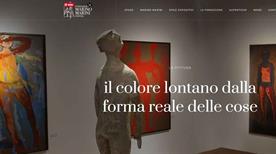
Centro Documentazione Marino Marini
Pistoia
(15 Km)
The Marino Marini Museum is currently home to both the Documentation Center, inaugurated in 1979 in the halls of the Palazzo Comunale di Pistoia, and the Marino Marini Foundation established in Pistoia in 1983. It also houses a library equipped with everything on Marino's activity with monographs, catalogues, art magazines and a complete collection of newspaper articles. The Tau complex is also part of the museum.
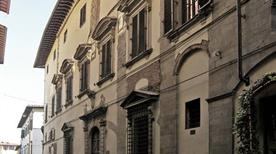
Museo Palazzo Rospigliosi
Pistoia
(15 Km)
The museum is located in the residence of the Rospigliosi family. In the building we can see original furnishings, furniture, frescoes, upholstery and more than 50 works of antiquity. In the building we find the Diocesan Museum and since 2004 we also find the Museum of Embroidery.
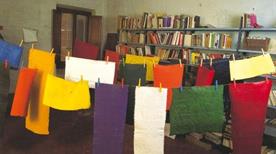
Casa Studio "F.Melani"
Pistoia
(16 Km)
Casa Studio F. Melani was the residence of the homonymous artist and the place where he created his entire art repertoire. Inside there is a very nice environment in which you can notice the elements of Conceptual Art, Arte Povera and Minimal Art. It is the place for those who are interested in art and culture.
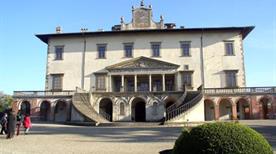
Villa Medicea
Poggio a Caiano
(8 Km)
The Medici Villa of Poggio a Caiano was built according to the architecture of Lorenzo the Magnificent in 1480. In the living room we can admire allegorical frescoes decorated by the Medici family. The Museum of Still Life is located on the second floor of the villa since June 2007. In the museum there are 200 paintings that belonged to the Medici collection. Today it is a state property.
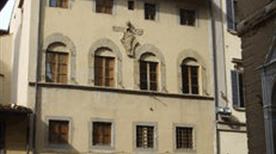
Accademia delle Arti del Disegno
Florence
(17 Km)
The academy of the artists where arts conferences are held, exhibitions organized, books are presented, concerts performed and notable artists from allover the world are honored .It is a place worth visiting for the art lovers.
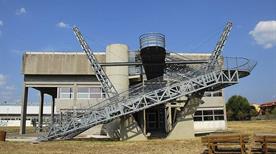
Il giardino di Archimede
Florence
(14 Km)
The Garden of Archimedes, which is located in the city of Florence, is a museum set up for the purpose of managing mathematics. This structure would be the only museum of its kind in Italy. Within the building are kept documents of significant historical and scientific importance.
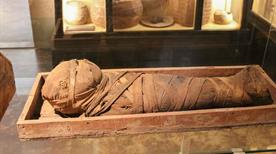
Museo archeologico Nazionale
Florence
(17 Km)
Build in 1870 and transferred to its current location, the Museum holds thousands of collection from different parts of the world. Here the visitors will get to see the first collections of Medici family, the famous Etruscan collections, the roman artifacts and the huge collections of ancient Greece.
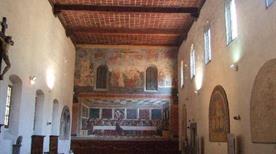
Cenacolo di Sant'Apollonia
Florence
(17 Km)
The Upper Room of Sant'Apollonia is located in the Convent of Sant'Apollonia, which was among the largest female convents in the city of Florence. It was founded in 1339 by Piero di Ser Mino as a dedication to Saint Martyr Apollonia. In 1447, the back wall of the refectory was frescoed with the Last Supper, the Crucifixion, the Deposition and the Resurrection. Other frescoes from the monastery are also located in the museum.
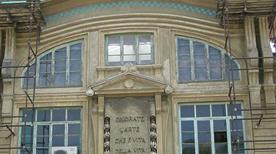
Galleria Rainaldo Carnielo
Florence
(17 Km)
The gallery is located in a building that was the house-studio of the sculptor Rinaldo Carnielo and best testifies to the work of the master. The building was built during which Florence was the capital of Italy. The works are characterized by the diversity of artistic currents of the second nineteenth century. The numerous bas-reliefs are a sign of the purity of Renaissance forms, thus explaining the influence that the artist had from the Florentine art of the '400.
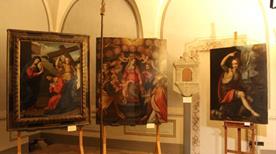
Museo della Badia di S. Salvatore
Vaiano
(10 Km)
The Museum of the Badia di S. Salvatore is located in what was the apartment of the abbot in the Abbot himself. The exhibition exhibits archaeological finds and works of sacred art that illustrate the function of the monastery. In addition to the thematic rooms, linked to the daily life of the monks of Vaiano, the Museum also houses a series of paintings and furnishings coming from the church of Savignano and the parish church of Sofignano.
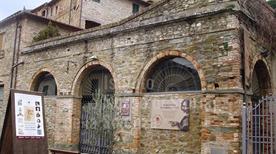
Museo Ideale Leonardo da Vinci
Vinci
(17 Km)
The Leonardo da Vinci Ideal Museum was inaugurated in 1993 in the spaces that welcome the underground gallery and the ancient cellars of the Castello di Vinci. The museum site offers a broad look at the artistic, scientific and inventive work of the great master through original and ancient materials, such as the paintings of Leonardo's workshop and some rare engravings. sixteenth-century always related to the work of the master.
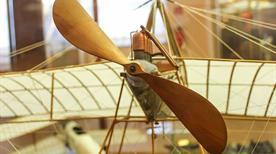
Museo Leonardiano
Vinci
(17 Km)
The Leonardian Museum was founded in 1953 with the contribution of the International Business Machines Corporation that donated to the city of Vinci a series of models rebuilt on the basis of Leonardian drawings. The Museum offers an in-depth study and an adequate presentation not only of Leopardic mechanical technology but also of its scientific and technical studies.

Casa Natale di Leonardo da Vinci
Vinci
(16 Km)
The Birthplace of the great painter Leonardo da Vinci is located in Anchiano. In this house he spent his entire childhood. At that time the house was part of the Villa del Ferrale by Lords Masetti. After some major restorations, the house was reopened to the public from 22 June 2012.
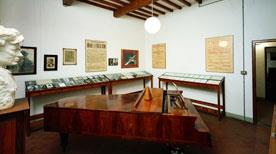
Museo-Casa "F. Busoni"
Empoli
(21 Km)
The “F. Busoni” Museum-House is located on the second floor of Ferruccio Busoni's birthplace. The structure houses various objects used by the musician during his work. The Museum exhibits a multitude of documents and family photos and the piano donated to him by the family on which he practiced during his past in Empoli.

Museo della Collegiata di Sant' Andrea
Empoli
(21 Km)
The Museum of the Collegiate Church of Sant'Andrea was founded by the Empoli Vincenzo Salvagnoli. The Museum site is divided into eight rooms arranged on two floors among which stand out the works of Giovanni Pisano with his “Madonna and Child” and the “Annunciation” by Francesco Botticini.
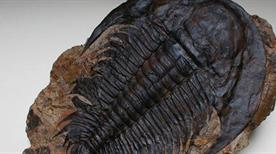
Museo Civico di Paleontologia
Empoli
(22 Km)
The Civic Museum of Paleontology of Empoli owes its origins to the Empoli Paleontological and Mineralogical Group, which in 1989 decided to establish a museum that welcomes the numerous finds collected during the course. of the years. The rooms preserve and display objects that document the history of the earth with about 30,000 fossils from all over the world.
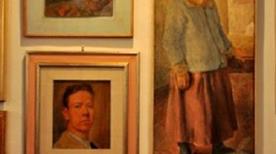
Galleria d'Arte Moderna e della Resistenza
Empoli
(22 Km)
The Gallery of Modern Art and Resistance was established in 1974 by the Municipal Council of Empoli. From the beginning it had the function of stimulating the interest of young people and citizens in relation to the Resistance and Modern Art. It is structured in three different rooms that welcome works by Sineo Geminiani, Virgilio Carmignani and works related to the Resistance. There are many paintings by Empolese artists who with their works represent the local history and culture of Empoli.
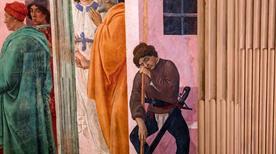
Cappella Brancacci
Florence
(18 Km)
It is found in the Santa Marie Del Carmine Church in Florence, popularly known as Sistine Chapel; it was the most influential and famous during the fourteenth century. To access this chapel one has to use the neighboring convent. The church and the Chapel are opened at different times therefore one has to visit one at a time.
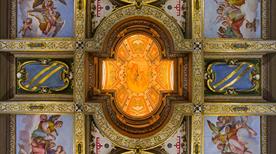
Casa Buonarroti
Florence
(18 Km)
The house can be called a monument and museum. Here you can admire the art collections of the family of Michelangelo. A place where you can enjoy the sculptures of the youthful age of the master. A full immersion in the life of Michelangelo you cannot miss.
Casa Museo "R. Siviero"
Florence
(19 Km)
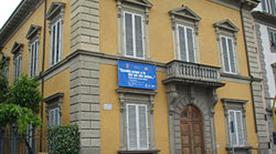
The building, previously, was the residence of the intellectual Radolfo Siviero. Inside we can admire the sculptures and landscape paintings of the '400 by Flemish Jan Frans Van Bloemen. Passionate about the collections, Siviero, has collected over the years many works of ancient art including: Etruscan finds, Roman statues, gold background paintings from the Renaissance and Baroque periods, terracotta, bronzes, furniture etc. Given the importance of the works within it, the Tuscany Region entrusted the museum to the Association of Friends of the Florentine Museums.
Collezione "Loeser"
Florence
(18 Km)
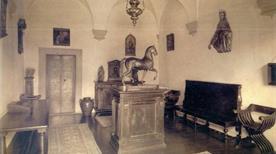
The Loeser collection is located in the monumental districts of Palazzo Vecchio in Florence. This collection includes thirty works of art and furniture from the Middle Ages and Renaissance, donated to the City Council in 1928 by the art historian of Charles Loeser. These are sculptures and paintings ranging from the fourteenth century to the sixteenth century, especially of Tuscan artists.
Museo "S. Ferragamo"
Florence
(17 Km)
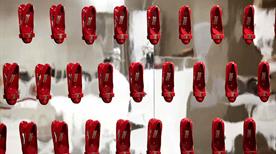
By the will of Wanda Ferragamo and her children, the Salvatore Ferragamo Museum was inaugurated in 1995: which is located in the same headquarters of the company. The purpose of the foundation of the museum is to disseminate the history of its founder and the creations he created “Made in Italy”. The museum has a rich collection of more than 10,000 shoes.
Museo Agrario Tropicale
Florence
(18 Km)
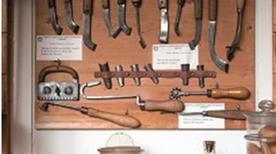
The Tropical Agricultural Museum is located in the Agronomical Institute for the Overseas. Inside there is a rich collection of handicrafts, clothing and musical instruments from Africa, America, Asia and Oceanian. There are also elements of flora and fauna such as a vast collection of tropical and subtropical insects. In addition, it is possible to visit greenhouses with tropical plants.
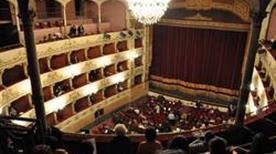
Teatro della Pergola
Florence
(18 Km)
A theater of inimitable sound that originally was reserved to the court. Open to the public since 1718, there were represented works of great composers like Vivaldi. Today, the theater is a cultural center that retains its prestige.

Teatro Puccini
Florence
(12 Km)
It was built between 1939-1940 and is an example of Italian Rationalism. Today, theater performances are held and satirical comedies with actors of national reputation. It is named after the square dedicated to the great master of Lucca.
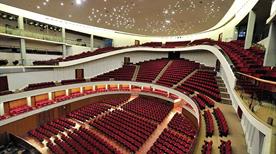
Teatro del Maggio Musicale Fiorentino
Florence
(16 Km)
It is the theater where in the late sixteenth century the melodrama was born. Today, its headquarters is the Municipal Theatre and it is considered the center of the Florentine music. Here you can experience the Maggio Musicale: the oldest music festival in Europe.
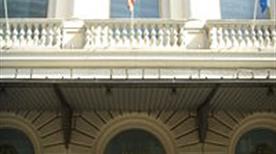
Teatro Comunale
Florence
(16 Km)
Teatro Comunale di Firenze stands in a building which was originally built as an open air amphitheatre in 1862.The opera house has a seating capacity of 2000,it is famed for the music and cultural festivals which were organized here every year.
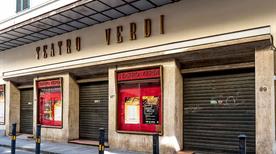
Teatro Verdi
Florence
(18 Km)
Teatro Verdi was established in 1854 as a teatro Pagliano but later renamed in honor of Giuseppe Verdi in 1901.It has a capacity of 806 including a space which is reserved for the wheel chairs. The stage has the dimensions of 14 meters, 18meters length and width respectively
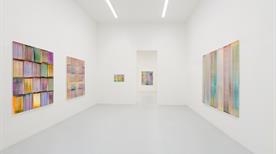
Galleria Gentili
Florence
(11 Km)
Galleria d'Arte Poggiali E Forconi
Florence
(17 Km)
Aurelio Stefanini Studio D'Arte
Florence
(17 Km)
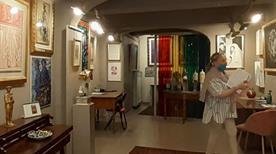
Galleria d'Arte Mentana
Florence
(18 Km)
Frittelli Arte Contemporanea
Florence
(13 Km)

Santo Ficara Arte Moderna e Contemporanea
Florence
(18 Km)
Daniele Ugolini Contemporary
Florence
(17 Km)
Brancolini Grimaldi Arte Contemporanea
Florence
(18 Km)
Galleria Open Art
Campi Bisenzio
(6 Km)
Bagnai
Florence
(20 Km)

Tornabuoni Arte
Florence
(19 Km)
Oggetti E Soggetti D'Arte Di Melani Federico
Lastra a Signa
(12 Km)
Mostra Perm. del 900 Toscano Grafica e Letteratura
Florence
(18 Km)