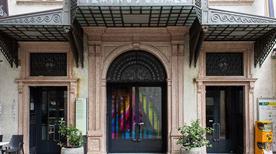
Teatro Sociale
Trento
it was founded in 1819, a theater tradition in the city. With a program of theater, dance and operetta .
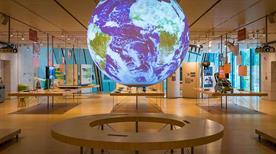
Museo Tridentino di Scienze Naturali
Trento
This museum pays particular attention to the Alpine region and the sphere of Trentino . It is a great promoter of scientific culture through displays of natural history-oriented education.

Museo Paleontologico R. Zardini e Museo Etnologico delle Regole
Cortina d'Ampezzo
The R. Zardini Paleontological Museum and Ethnological Museum of Rules is divided into several sections. In the paleontological museum there is a large collection of fossils from the Dolomites, algae, shells and animals dating back about 230 million years ago. While in the ethnographic museum the agricultural remains of Ampezzo are exhibited.
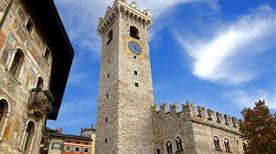
Museo Diocesano Tridentino
Trento
it was founded in 1903 to preserve the artistic heritage of the diocese and to keep the early Christian basilica of S. Vigil and archaeological remains of the cathedral found in the twentieth century from the underground

Museo di Arte Moderna e Contemporanea di Trento e Rovereto
Trento
Here are concentrated works of modern and contemporary art. The permanent collection includes over 15,000 works including paintings, drawings and sculptures. Works by artists such as Carlo Carra, Giorgio de Chirico, along with others.
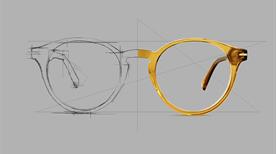
Museo dell' Occhiale
Pieve di Cadore
The Eyewear Museum was first established with the “Glasses Exhibition Through the Centuries” of 1956. The inauguration took place in 1990 thanks to the work, which began many years earlier, by Enrico De Lotto and to the commitment of the president of SAFILO, Vittorio Tabacchi. The current headquarters was opened in 2007 inside the COS.MO building.
Museo della Prima Guerra Mondiale
Arabba

Museo della Grande Guerra in Marmolada
Rocca Pietore
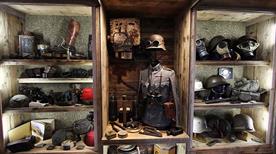
The Great War Museum in Marmolada is located in a cable car station, on the edge of a glacier. Given its position, it is considered among the highest in Europe. The museum was created with the intent to give a place to all the finds of the Great War and to remember in what poor and very difficult conditions the soldiers fought for their homeland. Admission to the Museum is free.

Museo della Grande Guerra 1914-1918
Canazei di Fassa
Optimally managed, it is an open-air museum that allows you to retrace all the roads of war.

Museo d'Arte Moderna ''Mario Rimoldi''
Cortina d'Ampezzo
The Museum of Modern Art was built in 2012. Inside the museum you can admire many contemporary paintings collected by Mario Rimoldi since 1923. The paintings generally belong to famous painters such as: Picasso, Sutherland, Guttuso, Morandi etc.
Museo Castello del Buonconsiglio
Trento
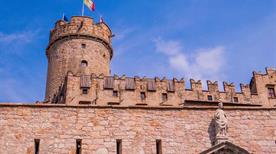
A part of his collection are on display in the Castel Beseno and Castel Stenico (representing the branch offices of this castle). A collection of light weapons and firearms, fine furniture, all in a majestic setting.

Museo Casa di Tiziano
Pieve di Cadore
The House of Titian Museum is the house where one of the most important painters of the Renaissance was born: Tiziano Vecellio. What we see today is the result of renovations and changes dating back to 1926 and again between 1928-30. The exhibits are divided into two floors. Here you can see some collections of the painter's drawings and sketches. To get to know Titian mile, this is a fundamental stage.

Museion - Museo d'Arte Moderna e Contemporanea
Bolzano
The Museum of Modern and Contemporary Art “Museion” is located in the city of Bolzano. It was established in 1985 by a private association, but only in 2008 it was opened to the public, after the end of the restorations. The Museion offers the public an extensive collection of contemporary urban art.
Teatro Cuminetti
Trento
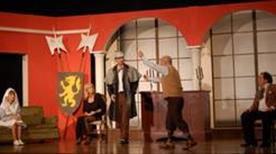
This theater is the former Experimental Theatre. Suited to contemporary theater performances and film screenings. Its name recalls the professor Benvenuto Cuminetti,a man of profound culture and theatrical knowledge .
Teatro Auditorium
Trento
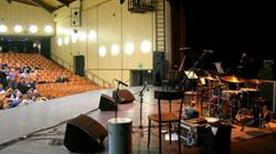
It is the largest in the city of Trento, was excellent visibility and acoustics. Here there are concerts of symphonic music, theater and events of contemporary music.
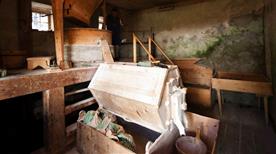
Il vecchio mulino
Arabba
The old mill, still working, can only be visited externally. It has now become a place of memory of the history of Arabba.
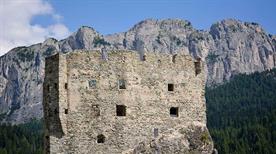
Il Castello di Andraz
Arabba
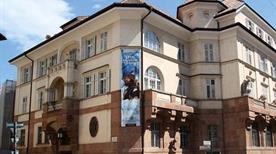
Museo Archeologico dell'Alto Adige
Bolzano
A unique museum in Italy, it welcomes many visitors in every season. He is known for having found the Similaun mummy, also known as Otzi, the ice-man. In addition to the mummy, there are also reconstructions, models and stereoscopic images in the museum that allow you to take a look at the past of South Tyrol.

Comprensorio sciistico Val Comelico
Comelico Superiore
he "Ski Area Val Comelico" is part of the "Dolomiti Superski" the biggest ski area in the world, so it is valid ski pass Dolomiti Superski.
The ski slopes that reach 2000 meters from Padola of the Col d'the tent, they are a starting point for the fascinating journey "UNESCO Dolomites Natural Park", a wonderful experience skis to discover the Dolomites of Sesto and Val Comelico.

Castel Thun
Trento
Thun Castle was built in the mid-13th century and was home to the powerful Thun family, who owned prestigious residences in the valleys of Non and Sole. The castle is located on top of a hill and enjoys a beautiful panoramic position. Very beautiful and not to be missed are the drawbridge and the comital palace.
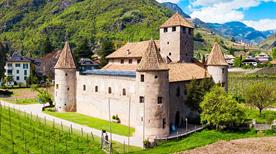
Castel Mareccio
Bolzano
The construction is very old and dates back to the 13th century, when the building was the residence of the Mareccio family, from which it also took its name. The castle is located in the center of Bolzano. In 1400, an impressive structure was built after several renovations. At the end of 1650, the castle also owned a moat of water. After the Mareccio family, the castle has continually changed its owner.
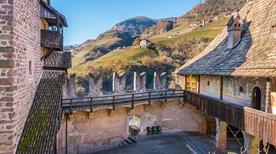
Castello Roncolo
Bolzano
It is a medieval castle located in South Tyrol and was built in 1237 by the brothers Friedrich and Beral von Wangen. It was seriously damaged by a siege by the Count of Tyrol, Mainardo II. It is known for the extensive cycle of frescoes depicting aspects of courteous life and culture.
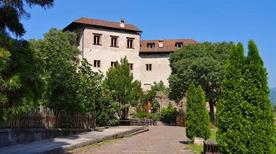
Castello Flavon
Bolzano
Castel Flavon and its ancient walls date back to the 12th century. The building underwent several transformations during the 14th-15th centuries by the Lords of Fiè, therefore, very little remained of the original view. However, the property remains a popular point of interest with tourists. Today, it is also used as a restaurant and place for parties and receptions of all kinds.
Museo Ladino di Livinallongo
Arabba
Galleria Goethe
Bolzano
Museo Mercantile
Bolzano
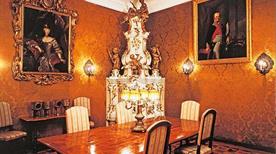
The museum was built in Baroque style and is easily recognizable by other buildings. He plays an important role in Bolzano as a meeting point between Italy and Germany. The museum is exhibited within the walls of the Palazzo Mercantile, which has had several roles over time as the seat of the Chamber of Commerce, the Merchant Magistrate, etc. The museum has a rich range of paintings, manuscripts of the ordering of the fairs of Bolzano and also the original furnishings of the first thirty years of the eighteenth century.
Galleria Raffaelli
Trento
Museo della Scuola
Bolzano
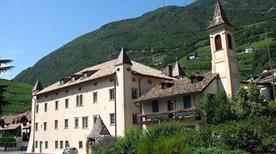
It is the first museum of its kind in Italy and was inaugurated in 1995 following the model of many other museums in Central Europe. The goal of this museum is to show visitors the evolution of school environments and learning methods. Inside the museum there are photographs showing aspects of daily school life between Tyrol, Carinthia, Voralberg and Trentino. It has recently changed its headquarters and present many innovative museum paths.
Museo Civico
Feltre
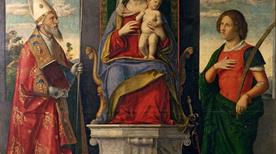
The Civic Museum of Feltre was founded in 1903 at the headquarters of Palazzo Villabruna, near Port' Oria. The Museum initially presented works from the collections of the noblewoman Antonietta Guarnieri and in 1927 it was enriched with two important works from Venice: “The Madonna and Child, San Vittore and Saint Dionysius “of the Parish Church of Zermen and “The Madonna with the Child between San Vito and San Modesto” by Lorenzo Luzzo.
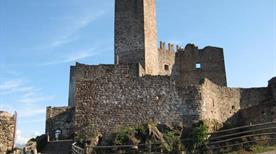
Castello di Appiano Diroccato
Appiano
The origin of the castle is certainly not, but according to sources, dates back to the twelfth century. It was the second residence of the Counts of Eppan for security reasons. Inside there is a great historical and artistic heritage: the chapel with its carefully curated frescoes depicting the biblical stories, the medieval elements of the structure and numerous others physical testimonies that you can see easily. Currently the building is the headquarters of a homonymous accommodation facility that offers all the necessary services for visitors.
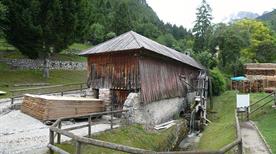
Antica Segheria Taialacqua
Molveno
Inserted in the Ethnographic Itinerary of Trentino, the sawmill, strongly wanted by the parish priest Don Taialacqua, still contains a wagon, a vintage frame and a real saw.

Museo della Macchina da Scrivere "P. Mitterhofer"
Parcines