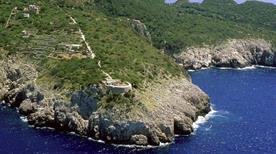
Fortino di Punta Pino
Anacapri
Il Fortino di Pino is located in Anacapri and is located near the sea. The exterior is built in a circular shape while, the interior is built in rectangular shape. Near the Fortino di Pino we find the Lighthouse of Punta Carena.
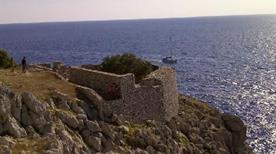
Fortino di Mesola
Anacapri
Fortino di Mesola is located in Anacapri. It is located around the two cannons and consists of thick walls. It was built for the defense of the coast. From the excavations carried out, small tools were found and it is thought that primitive men have lived there.
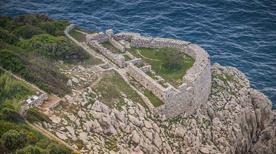
Fortino Orrico
Anacapri
The Fortino di Orrico is located in Anacapri near the sea. It is composed of a semi-circular structure with its walls. From the building we can also see the two cannons that are part of the fort.
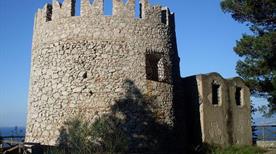
Torre Damecuta
Anacapri
The Damecuta Tower is located 150 m above sea level and was initially built to protect the city from attacks by Saracen pirates. The construction has always been surrounded by an enormous amount of vegetation and shrubs typical of coastal areas. In addition, the latter is also part of the homonymous Villa. It is a typical beauty and characteristic not to be missed for those who are passionate about antiquities and pirate stories, being also in excellent condition.
Torre della Guardia
Anacapri
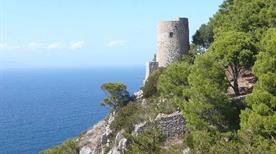
The Watchtower located in the province of Anacapri is among the most famous historical monuments on the island. It is located on the hill facing the sea and offers a beautiful view of the coast. It is surrounded by walls that show us what its function was at the time, that is, the defensive one from the attacks of enemies.

Castello Barbarossa
Anacapri
The Amalfi people built the Barbarossa Castle, which was rooted in the 9th century. To offer greater resistance to the enemy, the Amalfi fans carried out modernization and renovation work by building a cylinder shaped tower. The castle is spread over a quadrangular surface. The structure was named after the attacks suffered by the Commander of the Turks, nicknamed, precisely, “Barbarossa”.
Castel Nuovo o Maschio Angioino
Naples
(32 Km)
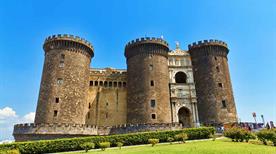
one of the most famous monuments of Naples, stronghold in the Middle Ages, the first Angevin power of the Aragonese and then, finally, with the Bourbon.

Teatro San Carlo
Naples
(31 Km)
Built in 1737 for the will of King Charles of Bourbon. Since its inception, in the RoyalTheatre concerts and operas were carried out by and with the composers, musiciansand famous artists. Donizetti, Rossini, Verdi, Abbado and Muti among others.

Palazzo Reale
Naples
(31 Km)
A magnificent residence from the 17th century built in honour of the King of Spain; it hosts a series of elegant rooms that still have wonderful 18th century decorations.
Museo di Palazzo Reale
Naples
(31 Km)
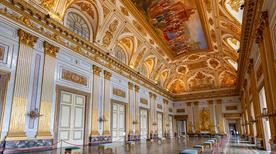
The foundation of the Royal Palace dates back to 1600. In the museum you can admire:the National Library, the Farnese Collection, the Pompeian Room, the Nativity of the Bank of Naples, the Royal Town House, the journey of the Savoy and of the Bourbons. Do not miss it!
Castello dell' Ovo
Naples
(30 Km)
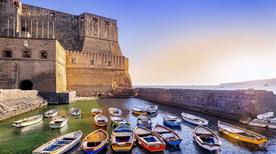
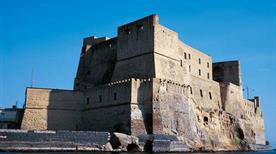
The Castel dell'Ovo, is the oldest castle in the city of Naples and is one of the elements that stand out most in the famous panorama of the gulf. Its name comes from an ancient legend according to which the Latin poet Virgil hid in the dungeons of the building an egg that kept the entire fortress standing.
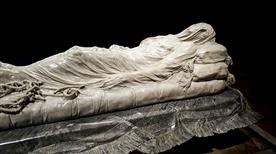
Cappella Sansevero
Naples
(33 Km)
The Sansevero Chapel in Naples is among the most important cult buildings. In the chapel there are numerous works of fine workmanship, such as anatomical machines etc. it is a very special place and is open to the public.
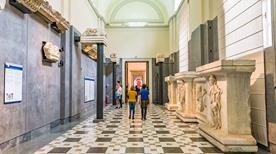
Museo Archeologico Nazionale
Naples
(33 Km)
The Archaeological Museum, located in Palazzo Ludovico il Moro of Biagio Rossetti, presents the findings from the necropolis of Spina and documents the close relations between the Spineti, the Etruscan, and the Greeks.
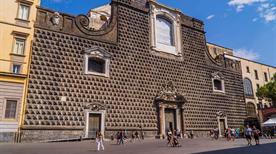
Chiesa del Gesù Nuovo
Naples
(32 Km)
The church of Gesù Nuovo, also known as the church of the Greater Trinity, is located in the square of the same name, one of the most important in Naples, and is an unmissable destination for those visiting Naples. The church is one of the largest and best known in the city, characterized by the presence of a high marble spire, Obelisk of the Immaculate, which houses works of Baroque painting and sculpture, some of the most influential artists of the well-known Neapolitan school stand out. Inside you can admire ten seventeenth-century chapels and wonderful frescoed ceilings.
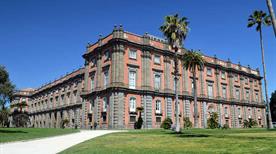
Reggia di Capodimonte
Naples
(35 Km)

Museo di Capodimonte
Naples
(35 Km)
A wonderful Art Gallery with a permanent exhibition of the Galleria Farnese on the main floor, the Royal Apartments, the Neapolitan Gallery on the second floor, the collection ofnineteenth-century and contemporary art at the third level. Worth visiting!

Cattedrale di Napoli
Naples
(33 Km)
The Cathedral, or Cathedral of Naples is dedicated to Santa Maria Assunta, and is the seat of the archdiocese of Naples. It hosts the oldest baptistery in the West and three times a year it welcomes the rite of dissolving the blood of St. Gennaro.

Museo del Tesoro di San Gennaro
Naples
(33 Km)
The Treasure Museum of San Gennaro is located next to the Duomo and the Treasure Chapel in Naples. It is estimated that the value of the treasure of St. Gennaro is richer than that of the crown of England of Queen Elizabeth II and the Czars of Russia. The museum was inaugurated in 2003 thanks to a project funded by private companies, local institutions and European funds. The wonders exhibited in the Treasure Museum of San Gennaro demonstrate the extraordinary nature of the Neapolitan sculptors and silversmiths who were able to reconcile technical wisdom and creativity.
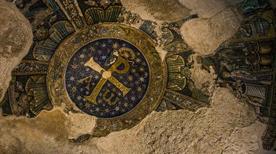
Scavi Archeologici del Duomo
Naples
(33 Km)
An archaeological site underneath the cathedral that opens up to show the remains of a Greek -Roman and early Christian city. An itinerary to discover!
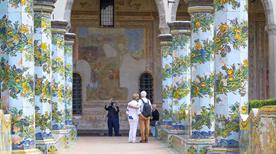
Basilica di Santa Chiara
Naples
(32 Km)
The Basilica of Santa Chiara is a complex famous for its Gothic cloister ceramic, rebuilt after Allied bombing in 1943.

Complesso Museale di Santa Chiara
Naples
(32 Km)
Do not miss this museum complex in downtown Naples, which includes the Museum of the Archaeological Area, the Majolica Cloister and the Hall of the Nativity of the '700. A true encounter with history and art.
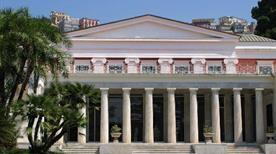
Museo D. A. Pignatelli Cortes e Museo delle Carrozze
Naples
(31 Km)
The Pignatelli villa was erected in 1826. In 1952, Princess Rosina Pignatelli donated to the Italian State the villa and her art collection, provided that the museum that would have founded bears the name of her husband, Diego Aragona Pignatelli. The villa, inside it also houses the Museum of Carriages, with an interesting collection of Italian and French carriages dating from the end of the 1800s and the beginning of the '900.

Museo di Paleobotanica ed Etnobotanica dell'Orto Botanico
Naples
(34 Km)
The Museum of Paleobotanica and Ethnobotany of Naples is located in the Castle, a building dating from the 16th to 17th century. The two sections of the museum are: the Paleobotanic and the Ethnobotanical one. In the first section, the Paleobotanic one, fossil finds are collected that demonstrate the evolution of terrestrial plants from the Silurian, 400 million years ago to the present day. The ethnobotany section, on the other hand, exposes collections of objects in plant material from Mexico, the Amazon, Borneo, Sumatra and the Philippines.
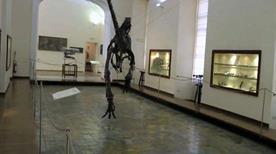
Museo di Paleontologia
Naples
(32 Km)
The Museum of Paleontology was founded in 1932 and is located at the “Center of Museums Natural Sciences” of the Federico II University of Naples. The museum offers the public various collections: fossil fish from Giffoni Vallepiana, Pietraroia and Castellammare di Stabia, of mammals and marine and flying reptiles. Since 1996, the museum has been enriched with a fossil specimen of Allosaurus fragilis from North America, in excellent state of preservation.
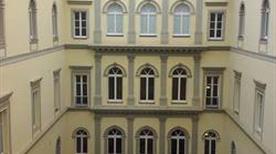
Museo d'Arte Contemporanea Donna Regina
Naples
(33 Km)
The Museum of Contemporary Art (M.A.D.R.E.) collects a permanent collection of international artists among which: Andy Wharol, Alberto Burri, Lucio Fontana. The historical collection is at the second floor while at third floor there are temporary ones.

Museo del Mare di Napoli
Naples
(32 Km)
Located in Bagnoli, it overlooks the Gulf of Campi Flegraean and is both a place of protection and preservation of the Campania maritime cultural heritage, and is a stable venue for cultural initiatives inspired by memory historical and social of the maritime.
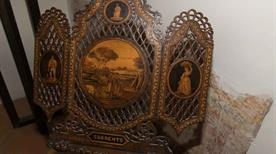
Museo Bottega della Tarsia Lignea
Sorrento
(15 Km)
The Bottega della Tarsia Lignea Museum is located in the eighteenth-century Palazzo Pomarici — Santomasi. The exhibition halls welcome various wooden objects made by the nineteenth-century Sorrento inlays. The Museum also has several paintings by foreign and Italian artists who testify to the historical and environmental context where the art of local inlay developed.

Museo "Correale di Terranova"
Sorrento
(16 Km)
The Correale Museum of Terranova has been located in the Correale gentilizia residence of Terranova since 1924. It was open to the public since 1989 and contains 17th century furniture and paintings by great artists such as those of Artemisia Gentileschi and Alfonso Rodriguez, which belong to the period from the 15th to 19th century. century. All the works are exhibited in 23 different rooms. Among the works are figures dedicated to the founders of the museum and also archaeological collections.

Museo del Corallo dell'Istituto Statale d'Arte
Torre del Greco
(29 Km)
The State Art Institute of Torre del Greco is one of the oldest in Italy. The Coral Processing School was established in 1878 and inaugurated on 3 April 1933. In the Museum there are engraving works of the various workshops, as well as on coral, lava, pink shell and brindle, sardonica, mother of pearl and ivory. The school participated in numerous national and international exhibitions between 1881 and World War II.
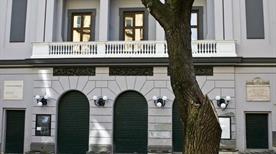
Museo dell'Attore Napoletano
Naples
(34 Km)
The Neapolitan Actor Museum was set up in 2001 in the underpass of Piazza Municipio, it kept about 400 relics belonging to Neapolitan actors, who made the history of Neapolitan acting. Unfortunately, in the same year of opening, the underground structure where the museum was located was closed because it was damaged by the rains. Since 2008, part of the material has been exhibited at the San Ferdinando Theatre in Naples.

Museo dell'Opera di Santa Chiara
Naples
(32 Km)
The Museum of the Opera di Santa Chiara is located in the homonymous fourteenth-century monumental complex of the city of Naples. The museum was opened to the public in 1995, and inside it are kept the finds from the Church, the Cloister and the Monastery. Materials that survived the church fire in 1943 are also exhibited.
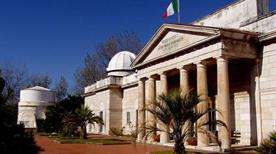
Museo dell'Osservatorio Astronomico di Capodimonte
Naples
(34 Km)
The Capodimonte Astronomical Observatory was established in 1812 at the behest of King Joachim Murat. In the same structure there is also the headquarters of the Astronomical Museum of Capodimonte, which is composed of three important cores: the Museum of Astronomical Instruments, which contains a collection of dated instruments from the '800 to '900; the Bamberg Pavilion, dedicated to the precise measurement of time; the Repsold Pavilion, with the equatorial refracting telescope that is the emblem of the Naples Observatory.
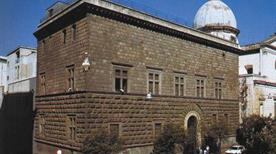
Museo Civico Gaetano Filangeri
Naples
(33 Km)
The Gaetano Filangieri Civic Museum in Naples preserves a collection with more than 3,000 objects, offering a great vision of the Neapolitan artistic scene. In addition, the Museum houses a large collection of applied arts, paintings and sculptures dating from the 15th to the 19th century, a library and a historical archive of about 30,000 volumes from the thirteenth and nineteenth centuries. You can also admire the collection of paintings from the seventeenth century, by the greatest Neapolitan artists.
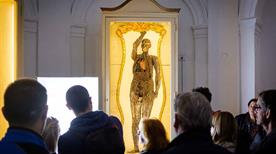
Museo Cappella San Severo
Naples
(33 Km)
A wealth of international art, a noble mausoleum designed by Raimondo di Sangro,seventh prince of Sansevero, unique of its kind. Worth visiting!
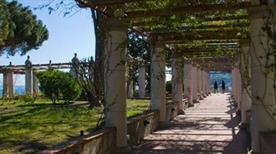
Museo di Villa Arbusto
Ischia
(35 Km)
Opened to the public in 1999, the Civic Archaeological Museum of Pithecusae, in the beautiful Villa Arbusto of Ischia, consists of eight rooms where more than three thousand finds are exhibited, thanks to which the museum has been named the oldest Greek allocation in southern Italy. The finds illustrate the history of the island of Ischia from Prehistory to Roman times. Numerous finds come from the necropolis of San Montano.

Museo Archeologico dei Campi Flegrei
Bacoli
(30 Km)
The Archaeological Museum of the Phlegraean Fields is located in the municipality of Bacoli. It was established in 1993, and is located inside the Aragonese fortress, which is located south of the Gulf of Baia. The Museum houses a large collection of prehistoric archaeological objects.

Museo "Ignazio Cerio"
Capri
(3 Km)
The I. Cerio Museum is located inside the fourteenth-century Palace of Cerio built by Count Giacomo Arcucci, first lord of Capri. It originates from the research carried out by the tireless Dr. Ignazio Cerio who has collected fossils, rocks and shells from Capri and from various parts of the world for more than fifty years. His interest led him to found in 1949 the current Caprense Museum of renowned fame.
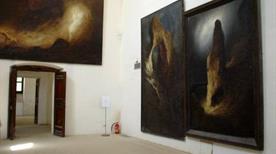
Museo Diefenbach
Capri
(3 Km)
The Diefenbach Museum has been located in the Refectory of the Charterhouse since 1974 and is dedicated to the German painter Karl Wilhelm Diefenbach, who arrived in Naples in 1900. The canvases on display depict a gloomy Capri, full of magic and Nordic mythology. All this represents a strong link of the artist with the forces of nature.
Centro Caprense "Ignazio Cerio"
Capri
(2 Km)
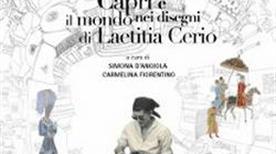
The Centro Caprense Ignazio Cerio is pleased to present the exhibition Capri and the world in the drawings by Laetitia Cerio. The project aims to highlight the artistic depth of Edwin Cerio's daughter, focusing attention on a lesser known aspect, the graphic one.
Villa San Michele
Capri
(1 Km)
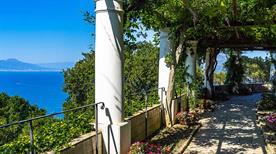
The museum house of a famous physician from Sweden known as Axel Munthe, Villa San Michele is the perfect Mediterranean island retreat. It’s filled with white colonnades open clear to blue skies, rooms adorned with a fascinating collection of archeological findings and antiques from diverse periods in history. It was built at the turn of the 20th century on the grounds of one of Tiberius’s ancient villas. The villa and its surrounding grounds sit on top of the so called Phoenician steps built by first Greek settlers between Anacapri and Capri.
Antiquarium Stabiano
Castellammare di Stabia
(28 Km)
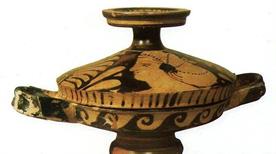
The Stabiano Antiquarium was inaugurated in 1958 at the behest of the archaeologist Libero D'Orsi who had undertaken excavations to bring to light materials of the ancient Roman city of Stabiae. The Museum was built in the middle school environments of the city. Today it collects more than 8000 exhibits from the Stabian villas and buildings that were gradually explored.
Museo del Corallo
Naples
(31 Km)
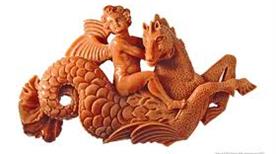
Coral Jewelry Museum Ascione is situated inside a house opposite to San Carlo. This museum is as a result of past generation activities of Naples. The place is easy to access. Many people have checked on the jewelry in this place as a guide of what they should buy for their own. In addition, it is a museum that depicts what residents of Naples have been putting on.

Acquario e Stazione Zoologica Anton Dohrn
Naples
(31 Km)
The Anton Dohrn zoological station was founded in 1872 by the homonymous scientist. Today it is a public research body, and it is among the most important in the world in the fields of marine biology. The station contains more than 20,000 samples of marine fauna and a herbarium of the marine flora of the Gulf of Naples. In addition, the aquarium is the oldest in Europe and contains hundreds of species from the Tyrrhenian Sea.

Museo di Zoologia
Naples
(32 Km)
The Museum of Zoology was created by Gioacchino Murat in 1811 and is part of the Museum of Natural Sciences Center of the Federico II University of Naples. The Museum is located in the University Library. Several collections are on display: that of vertebrates, a collection of about three thousand birds, that of shells and finally that of corals and sponges.
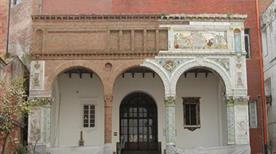
Museo Artistico Industriale Filippo Palizzi
Naples
(31 Km)
The Industrial Art Museum Filippo Palizzi is a museum located in the city of Naples. It was built at the end of the 19th century by Gaetano Filangieri, prince of Satriano. The Industrial Art Museum was founded to support the educational activities of the Institute of Art. Currently in the museum there are about six thousand works exhibited in different sections. The Museum played a fundamental role in the cultural life of the city.
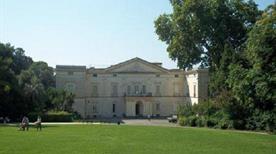
Museo Nazionale della Ceramica Duca di Martina
Naples
(31 Km)
The Duke of Martina Museum since 1927 has been located in the Villa Floridiana in Naples. The Museum houses over 6000 works of Western and Eastern manufacturing, dating back to the period from the 12th to the 19th century. It is one of the largest collections of decorative arts, and divided over three floors, the section of oriental art objects has recently been opened, including the fine collection of Chinese porcelain dating back to the Ming and Qing times.
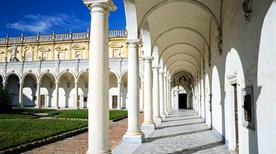
Museo Nazionale di San Martino
Naples
(32 Km)
The National Museum of San Martino was inaugurated in 1866, following the Unification of Italy, after the Charterhouse was declared a national monument. The rooms of the Charterhouse were intended to host the museum, at the behest of the archaeologist Giuseppe Fiorelli. The museum presents and documents aspects of society in various historical eras. It is divided into several sections, dedicated to theater, parties and costumes.
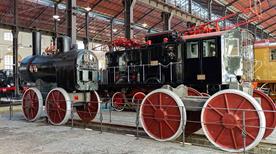
Museo Nazionale Ferroviario
Naples
(33 Km)
The National Railway Museum is located in the area of the buildings of the first Italian mechanical industry, established in 1840, after the inauguration of the first Napoli - Portici railway. It covers an area of 36,000 square meters, and is the first example of industrial archaeology. Steam locomotives, electric locomotives, carriages, models and models are exposed in the pavilions.
Raccolta d'Arte della Fondazione Pagliara
Naples
(32 Km)
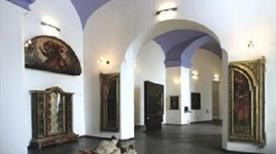
The Art Museum of the Pagliara Foundation was founded in 1947, at the behest of Maria Antonietta and Adelaide Pagliara, donating the artistic heritage of his brother Rocco to the Institute Sister Orsola Benincasa. The Museum houses a majestic collection of paintings, prints, porcelain, glass, ceramics, furniture, musical scores. These pieces belong to the period between the 16th and 19th centuries.
Museo Didattico del Mare
Naples
(29 Km)
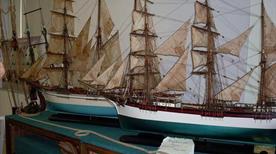
The Museum of the Sea, based in the “Duke of Abruzzi” Nautical Institute of Naples, was founded in 1992, and is the only museum of the sea in Naples. The Museum consists of three rooms, that of ancient ships from the 18th to the 19th Century, the collection of Marine Machines from the '800 and finally the section of radio and radio navigation equipment.

Museo di Anatomia Umana
Naples
(34 Km)
The Museum of Human Anatomy in Naples is one of the most important museums in the world, located at the Institute of Human Anatomy. Recently reopened to the public, the museum was established between the end of the eighteenth century and the beginning of the nineteenth century, for educational functions. There is a section of normal anatomy and one of pathological anatomy.
Museo di Anatomia Veterinaria
Naples
(34 Km)
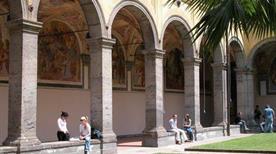
The Museum of Veterinary Anatomy was established in 1798, simultaneously with the Veterinary School and in 1815 it was transferred to the convent of Santa Maria degli Angeli alle Croci. The Museum was set up in 1861 and later renovated then in 1907, with the foundation of the Institute of Anatomy. Inside it are exposed anatomical preparations in wax, muscles, skeletons, embalmed animals and pathological finds.
Museo di Etnopreistoria
Naples
(30 Km)
The Museum of Ethnoprehistory of Naples was established in 1972, and is located in some rooms of Castel dell'Ovo. Inside there are worked stones and various artifacts in bone, ceramics, terracotta and metal, the collection of which covers all the cultural phases of prehistory.
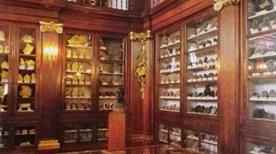
Museo di Mineralogia
Naples
(32 Km)
The Mineralogical Museum houses about 30,000 specimens, some of which are very rare both for their size and for their beauty. Today the Museum is part of the Natural Science Museum Center of Federico II University. It was the first Museum in Italy, founded in 1801 at the behest of Ferdinand IV of Bourbon. Several collections are on display, that of meteorites, large crystals and the Vesuvian collection.
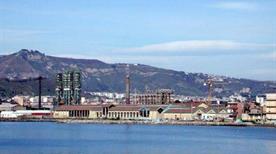
Città Della Scienza
Naples
(28 Km)
The City of Science is located in the city of Naples. It consists of an interactive science museum, a business incubator and a training center. The interactive science museum was destroyed by a fire on 4 March 2013, but it was reopened the next month with exhibitions in some spaces of the complex. The museum will have to be rebuilt as soon as possible, being one of the most important points of attraction in the city.
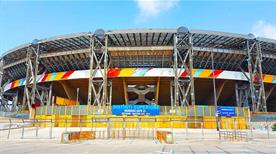
Stadio San Paolo
Naples
(30 Km)
For those who love soccer, you will have fun visiting Napoli FC during their home match at Stadio San Paolo. This team has done well to the higher levels especially the Champions League. Remember this is one of the best stadiums in Italy.

Galleria di Marino
Naples
(31 Km)
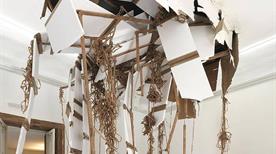
Galleria Alfonso Artiaco
Naples
(33 Km)

Associazione Culturale Napoli Nostra
Naples
(31 Km)

Galleria T293
Naples
(33 Km)
Since its foundation in 2002, T293 investigates and promotes both national and international emerging artists whose work best expresses the fundamental characteristics of our time, following the firm intention of presenting an original and high standard program.

Museo Storico Musicale
Naples
(33 Km)
The Historical Musical Museum of Naples is located in the library of the Conservatory of San Pietro a Majella. In the museum are kept ancient and precious instruments such as Stradivari's harpetta, or the splendid strings, the keyboard instruments, among them the precious fortepiano, the harpsichord of Catherine II of Russia, the pianos by Mercadante and Thalberg. Of particular interest is the very rare collection of autograph manuscripts, musical editions of the 16th century and opera librettos belonging to the Library.
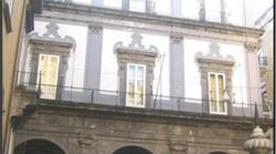
Pinacoteca del Pio Monte della Misericordia
Naples
(33 Km)
A palace with an adjoining church , where there are precious art collections: the collection of the church of Pio Monte della Misericordia, the works by Francesco De Mura, the legacy of the the family Capece Galeota, descendants of the Tocco.

Teatro Augusteo
Naples
(31 Km)
Built in 1929, on a design by the architect engineer Nervi Mellucci. Today, it continues to provide the public with top quality performances: dramas , concerts of classical and popular music.
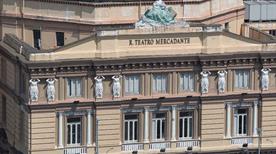
Teatro Stabile Mercadante
Naples
(32 Km)
Built in the years 1777-1778 on a project by Francesco Sicuro. The representationwhich inaugurated its opening to the public was "The Unfaithful Faithful" by Lorenzi in1779. Today, the theater offers regular theatrical seasons and contemporary projects.
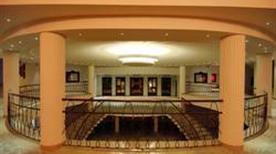
Teatro San Ferdinando
Naples
(34 Km)
Built in the late XVIII century. After years of restoration it reopened in 2007 with "The Tempest" by Shakespeare, in the translation by Eduardo de Filippo of 1984. It is among the spaces used in the Palermo Teatro Festival .
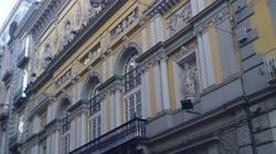
Teatro Bellini
Naples
(33 Km)
Neapolitans believe this it is the most beautiful theater in town. Opened in 1878, it presents a rich and harmonious architecture. Do not miss: the little theater of the rehearsal room and the Auditorium. Worth a visit!
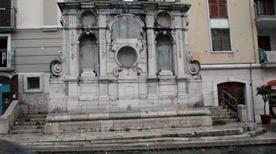
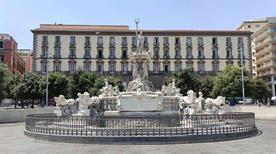
Fontana dei Tre Cannoli
Naples
(32 Km)
One of the symbols of the city, it was restored under the domination of Caracciolo who called to operate the architect Cosimo Fanzago from Bergamo.
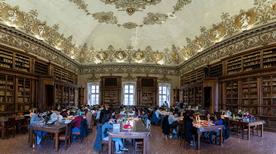
Biblioteca Nazionale di Napoli
Naples
(31 Km)
Biblioteca Nazionale Centrale Vittorio Emanuele II is one of the points people would be happy on visiting in Naples. This is among the libraries that merged during the unification of Italy after the world wars. It has important information to know.
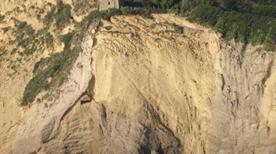
Torre Bassa
Bacoli
(28 Km)
The Lower Tower or the so-called anti-Saracen Tower dates back to medieval times. It stands at Misero, which is a hamlet of the municipality of Bacoli, in the province of Naples. Near the Tower there are still ruins of barracks and fortifications, present since World War II. It had the function of protecting and supervising against the phenomenon of banditism. The building has architectural and decorative elements typical of the Middle Ages.
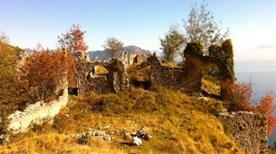
convento di cospita
Agerola
(29 Km)
the convent lies on a modest characteristic plateau overlooking the Gulf, of Amalfi in the peace and tranquility of a place certainly sacred and of remarkable historical significance, hosting the ruins of a medieval construction of the 1000s
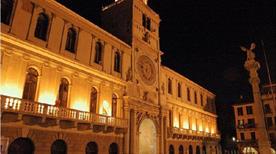
Torre dell'Orologio
Naples
(32 Km)
The tower housing the downtown with its 40 meters high, it was built in Baroque style in the '600.
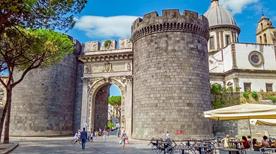
Porta Capuana
Naples
(33 Km)
The Capuana Gate is one of the oldest gates of the city of Naples, sheltering the Capuano castle. The Gate was built in 1484, and was one of the important communication crossroads. The Gate is a part of the fortification work wanted by the Aragonese monarch, of which only the door has remained still preserved today.
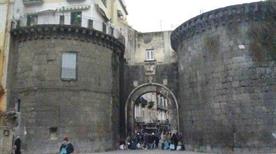
Porta Nolana
Naples
(33 Km)
The Porta Nolana in Naples is one of the oldest gates located in Piazza Nolana and is annexed between two towers of piperno, the Tower of Faith and Tower of Hope. The door was built in the fifteenth century by Giuliano da Maiano to replace that of Forcella near the Basilica dell'Annunziata. The structure of the Door is in Renaissance style.
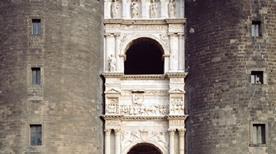
Arco di Trionfo di Alfonso d'Aragona
Naples
(31 Km)
The triumphal arch of Alfonso of Aragon, is located at the entrance of the Castel Nuovo of Naples, and was built at the behest of Alfonso of Aragon as a symbol for conquering the Kingdom of Naples in 1443. The construction of the triumphal arch took place in two phases, from 1452 to 1458 and from 1465 to 1471. It is a symbol of Naples's contribution to the Italian Renaissance in the field of sculpture.
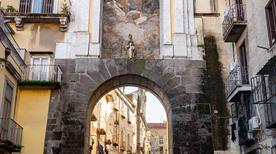
Porta San Gennaro
Naples
(33 Km)
The Porta San Gennaro is the oldest gate in the city of Naples, already mentioned in documents dated to the year 928, when the fear of the Saracens was widespread. The Gate took the name of San Gennaro, as from there started the only road that led to the catacombs of the saint.
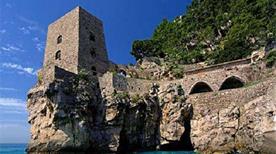
Torre Clavel
Positano
(24 Km)
The Tower of Fornillo, called 'Clavel', dates back to the 13th century and is named after Gilbert Clavel, who bought it at the beginning of the 20th century. The structure has a pentagonal plan and has very special architectural elements. Thanks to its high position, you can enjoy a wonderful view over the whole area.
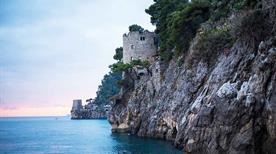
Torre Trasita
Positano
(24 Km)
The Trasita Tower is one of the three towers built during the mid-16th century, on commission by Pietro da Toledo. It was a defensive system consisting of three watchtowers in the coastal area. The structure is still visible today, even if it does not maintain a perfect state of preservation.
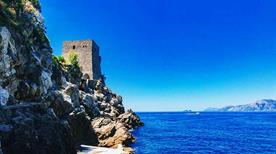
Torre Grado
Praiano
(27 Km)
The Grado Tower was built in 1564, and has a square structure. The structure was used for reasons of defense, its function was to spot the dangers that could come from the sea. Currently, the building has been restored.
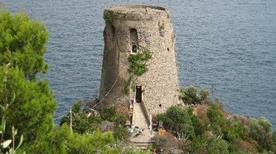
Torre a Mare
Praiano
(28 Km)
The Torre a Mare, also known as the Assiola Tower, was built in 1270 and has a cylindrical structure with an escarpment base. The Tower was used during the wars as a lookout to warn the inhabitants of dangers. After many restorations today it is in good condition.
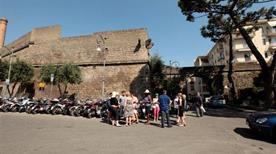
Il bastione di Parsano
Sorrento
(15 Km)
Vicereal walls open to publicInfo www.antichemurasorrento.it
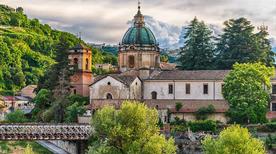
Chiesa di San Domenico Maggiore
Naples
(33 Km)
Both cultural and historical sites are vital in Italy besides religious ones. San Domenico Maggiore is famous in such. It has gratifying buildings and structures that attract those who own hobbies such as visiting cultural sites and witnessing historical moments.

Basilica di San Francesco di Paola
Naples
(31 Km)
San Francesco di Paola is a remnant of the famous Rome’s Pantheon. The church is circular in shape with two chapels. Many people have visited here for self-religious interests
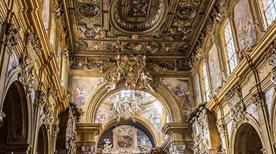
Chiesa di San Gregorio Armeno
Naples
(33 Km)
San Gregorio Armeno is a church and a monastery. It is one of the most important Baroque complexes in Naples.
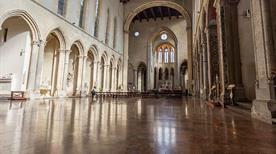
Basilica di San Lorenzo Maggiore
Naples
(33 Km)
This is one of the serious churches in Naples. It is located in the indigenous Roman City. It is believed to be the basic strength of the Roman Empire in Italy.

Chiesa di San Pietro a Majella
Naples
(33 Km)
Chiesa of San Pietro a Majella refers to a church in Naples. It is located on the west part of one of the streets in the city called Via dei Tribunali. The architectural design of the church is much pleasing.

Chiesa di Sant'Angelo a Nilo
Naples
(33 Km)
It is a church located on the verge of the initial Greek- Roman town dedicated to Nilo god. It was set to existence in 1380s as a chapel. It owns artworks including the tomb in which one of the cardinals was buried and an altarpiece done by Marco Pino who was a Sienese painter.
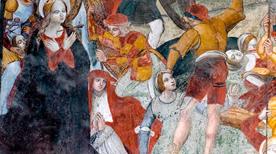
Chiesa di Santa Maria Donnaregina
Naples
(33 Km)
It is the oldest in the series of Santa Maria churhes. It is unique in its structure and interior design. Lots of decorations in the form of mosaics have been used to beautify the house. The common mosaic is the azure one.
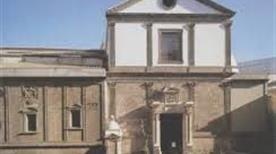
Chiesa di Santa Maria La Nova
Naples
(32 Km)
Santa Maria La Nova has a well-designed interior and constitutes part of the monastic complex. Bigger portion of this hosts municipal offices for the leaders.
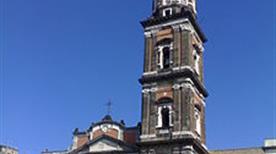
Basilica Santuario di Santa Maria del Carmine
Naples
(33 Km)
This is a mere church that adheres to the order of Carmelite. This means that it traces its origin from Mount Carmel in Florence. It is located in one of the districts of Tuscany. After its demolition by fire in 1771, it remained to be Brancacci Chapel. It became a site for remembrance.

Chiesa di Santa Maria in Portico
Naples
(31 Km)
This is a cardinal titular church that puts forth faith to Virgin Mary. It is characterized by a portrait of Mary and a holy shrine. In addition, the church has been devoted to conversion of England.

Villa Jovis di Tiberio
Capri
(4 Km)
Back then it was the splendid residence of Emperor Tiberius. It starts from Piazzetta Umberto I, turns into Via delle Botteghe and continues straight on through Via Fuorlovado via Croce and finally via Tiberio. Other attractions are also present in the vicinity. They are the Church of Santa Maria del Soccorso, the cave of Tiberius and the lighthouse Tower.
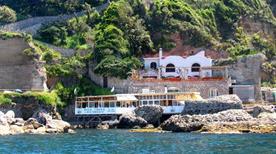
Palazzo a Mare
Capri
(2 Km)
Palazzo a Mare is located in the Gulf of Naples, in the northern part of Capri. It is an archaeological site built on the rubble of a beautiful palace, of imperial origin of Tiberius. The residence also owned a semi-circular nymphaeum, summer accommodation of the emperor. It is said that Roman Romulus Augustus, the last emperor, was sent into exile right inside it.
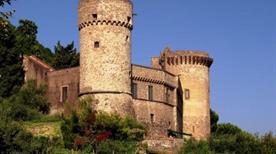
Castello Angioino
Castellammare di Stabia
(26 Km)
The Angevin Castle was built around the tenth century at the behest of the Duke of Sorrento. Some historians, however, also attribute the construction to Charles I of Anjou from whom it takes its name. In the following centuries it had several renovations becoming also the seat of the garrison of mercenary soldiers. Within its walls there was the cathedral that housed the bishops of the diocese. The structure consists of powerful walls with towers and towers joined together through a wall with relative side openings.
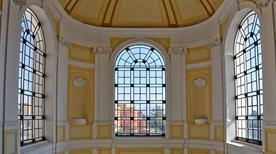
Villa Campolieto
Ercolano
(30 Km)
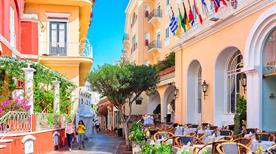
Centro storico di Capri
Capri
(2 Km)
It's characterized by small colorful houses and countless staircases. The houses were built with the Court closed. The Center is divided into two areas developed in different epochs.
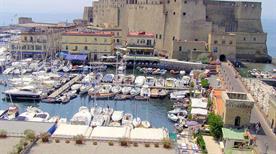
Borgo Marinari
Naples
(30 Km)
Borgo Marinari is located in the city of Naples. In addition to the castle, there are few dwellings in the village. Today the village has been cleaned up and hosts cultural and tourist events. The marina supports the operation of the nautical circles of the Santa Lucia quay where numerous speedboats, yachts and sailboats are moored.
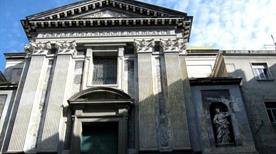
Trinità Dei Pellegrini
Naples
(32 Km)
Trinità dei Pellegrini of Naples, is located in the historic center of the city, in via Portamedina. The Church of the Santissima dates back to the sixteenth century and was built at the behest of the Jerosolimito knight Fabrizio Pignatelli of Monteleone. Later it was entrusted to the Brotherhood of the Most Holy Trinity.
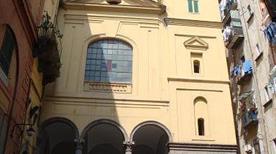
Trinità degli Spagnoli
Naples
(32 Km)
The Church of the Holy Trinity of the Spaniards of Naples, was established in 1573. Thanks to the Trinitarian fathers, it underwent the first renovations and renewals, which were completed in 1788. In addition, the interior was also restored and expanded with decorations. In the French decade, the church was deprived of all its works and furnishings. The only survivor of the depredations was the seventeenth-century painting that portrays the Most Holy Trinity with Our Lady of the Remedy.
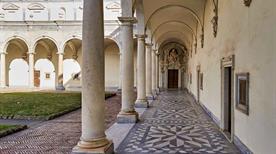
Certosa di San Martino
Naples
(32 Km)

Palazzo D' Avalos
Procida
(27 Km)
The walls were built by the Avalos family in 1500, like the well-known palace of Avalos (also called Castle), which in the 19th century became a prison and now can be seen only from the outside.
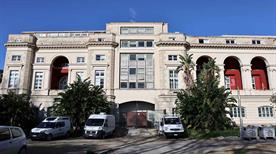
Villa Comunale
Naples
(31 Km)
Villa Comunale is one of the most famous historic garden in Naple at Piazza Vittria. It is wonderful coated with plenty of shady trees, appealing fountains, fine paths for common pedestrians and a fabulous aquarium.
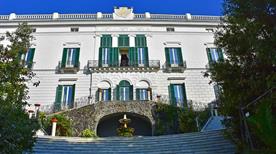
Villa Floridiana
Naples
(32 Km)
It is an important historic building of Naples in the Vomero park. The place has landmarks such as Oteum historical site and the Speciality Museums besides Neapolius Club used for sporting activities.
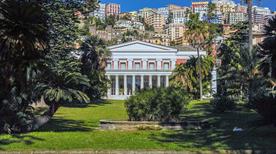
Villa Pignatelli
Naples
(31 Km)
This place is located alongside Riviera di Chania 200 in Naples province. It has important sites such as Aurelio just near Villa Pignatelli, a museum, and Secret excursion for day tours among other features.
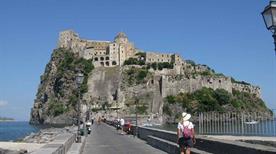
Castello Aragonese d'Ischia
Ischia
(30 Km)
The Aragonese Castle is the symbol of the entire Island of Ischia. A fortified fortress in the middle of the sea with ancient churches, frescoed crypts, fascinating streets, wonderful views. A walk through 25 centuries of history.

Baia - Castello di Baia
Bacoli
(30 Km)
The Aragonese Castle was built by Alfonso of Aragon at the end of the fifteenth century for the defense of the Gulf of Pozzuoli from the Moors. The building consists of a series of fortifications linked together. The castle has a strategic position that allows for a wide view that prevented the enemies from approaching. The castle of Baia is home to the Archaeological Museum of the Phlegraean Fields for its dominant position compared to the archaeological sites of the Phlegraean Campi.
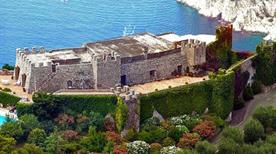
Castello di Castiglione
Capri
(2 Km)
The Castiglione Castle was probably built between the 10th and 11th centuries on the homonymous hill. It was renovated in the twelfth century by the will of Charles of Anjou, thus becoming a directorial property. The structure is composed of a quadrangular plan with forced and crenellated walls and its edged nougats. At the center of the fortress there was also a chapel dedicated to the Madonna della Libera. Since 1952 the Castle was destined for public homes, after the restoration carried out by Duke Roberto Caracciolo.
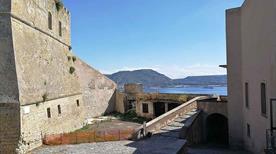
Castello Aragonese di Baia
Bacoli
(30 Km)
Built in a strategic place at the end of the fifteenth century by Alfonso of Aragon, it was part of a program for the construction of fortification systems that extended throughout Italy by Aragon. It is a large architectural complex of Roman origin. It has had times of abandonment, but now, thanks to the reconstructions, it is in excellent condition and works as a museum, with various archaeological objects, even very rare.
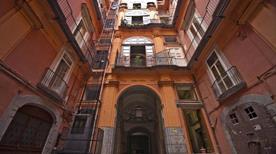
Palazzo Ruffo di Bagnara
Naples
(33 Km)
The Ruffo Palace in Bagnara is an ancient building located in Piazza Dante in Naples. It was built in the 17th century. In the first half of the nineteenth century the palace was restored by Vincenzo Salomone and hosted the literary Basilio Puoti. The façade was decorated in the 16th century style. Inside, there is a neoclassical statue, testimony to the ancient refinement of the palace.
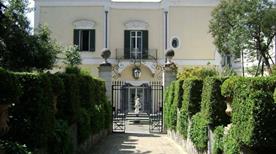
Fagianeria Reale Borbonica
Naples
(30 Km)
Villa Vesuviana of the 18th century; casino with an adjoining reserve for hunting pheasant and hare, was part of the largest park of the nearby Royal Palace of Portici, preserves the charm of splendor intact noblemen of the Bourbon Kingdom.

Basilica dell'Incoronata Madre del Buon Consiglio
Naples
(34 Km)
The Basilica Dell' Incoronata Madre Del Buon Consiglio is one of the best points to gain spiritual interests. It is known for its colossal church with peculiar paintings, stories about end of cholera in the area and the volcanic ash that resulted into torrential rain that destroyed lives of people and plants. It is also important for one to take note of the Sister Maria di Geshu who did note stay to see the church grow has her traces at the point.
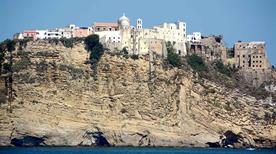
Abbazia di San Michele Arcangelo
Procida
(27 Km)
The origins of the Abbey date back to the eleventh century, but its architecture, following destruction and reconstructions, dates back to the 16th century. Inside it is possible to admire paintings, sculptures and the precious altars, as well as the lower area that houses the Museum, the Ossuary and the library that houses ancient manuscripts.
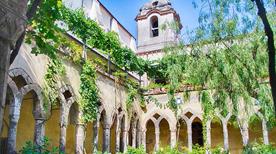
Il Chiostro di San Francesco
Sorrento
(16 Km)
It dates back to the '300 but has different architectural styles as it has been restored in later periods. The cloister has an arch structure with highly decorated capitals, filled with plants and flowers. It houses the Sorrento Summer Festival.
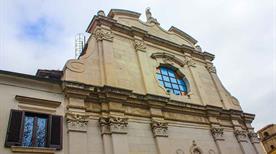
Chiesa di San Francesco
Sorrento
(16 Km)
Dating back to the fourteenth century, is made mainly in the Baroque style.
The white marble facade was redone in 1926, while the main portal dates from the fifteenth century and was made ??of wood.
Initially the building was an ancient oratory founded by St. Anthony, patron saint of Sorrento.

Chiesa di S.Anna
Capri
(3 Km)
The church of S. Anna was a parish of Capri until 1595. It was attributed to a dating dating back to the twelfth century. It has very important frescoes and a floor dating back to 1878.
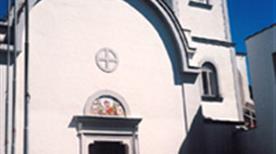
Chiesa di San Giovanni Battista
Barano d'Ischia
(31 Km)
In the 13th century, Buonopane already had a church dedicated to St. John. They certainly founded it in Cossa, the noble family of Ischia.
Chiesa di San Michele Arcangelo
Capri
(0 Km)
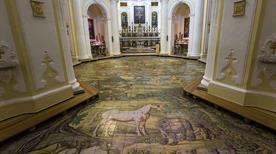
The church is located in Anacapri and a very nice example of baroque style on the island. Though the church is already nice, its mosaic tile floor depicting Adam and Eve from paradise makes it more captivating. The floor was designed by artist Leonardo Chiaiese.
Certosa di San Giacomo
Capri
(3 Km)
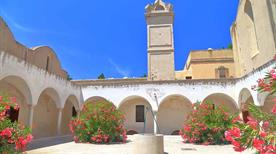
Count Giacomo Arcucci of Capri, a secretary to Jeanne I of Anjou, found a spot enclosed by walls in a small south facing coastal valley called Sama or Lama where he laid the charterhouse foundation. It dates back to 1371 and it is believed that it was built on remains of previous sixth Villa of Tiberius and Roman buildings. Today its home to a museum holding a number of large statues from the Roman age. This statues were recovered from the sea floor of Grotta Azzurra cave in 1964.
Piazza Trieste e Trento
Naples
(31 Km)
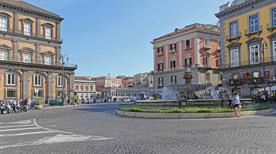
Highly important road junction, here via Toledo, Via Chiaia and Via San Carlo converge; it is also the main access point to the nearby, and far more famous, Piazza del Plebiscito.
Piazza del Municipio
Naples
(32 Km)
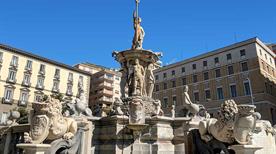
A large rectangular square, named after the town hall housed in the Palais Bourbon St. James (1819/25). At the centre the square is decorated with the equestrian statue of Vittorio Emanuele III.
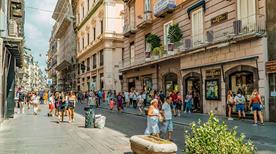
Via Toledo
Naples
(32 Km)
It’s a favourite street from Naples. Built by the homonymous king, who ordered the opening as the axis of expansion of the city.
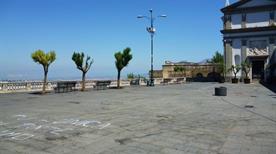
Largo San Martino
Naples
(32 Km)
Largo di San Martino is located in the Palazzo Certosa di San Martino. The building is located at the highest point of the Vomero hill and is currently home to the museum of San Martino. The tour of the museum can be completed by the beautiful terrace from which you can admire the panorama of the entire city.

Villa di Oplontis e Villa Lucius Crassus Tertius
Torre Annunziata
(30 Km)
The villa of Poppea is a villa d'otium dating back to the first century BC where there were rooms dedicated to the production of wine and oil. There are viridaries, sculptures, beautiful frescoes, spas, lararium, peristiles, triclines , Olympic pool
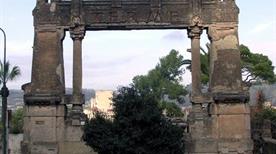
Terme di Agnano
Naples
(31 Km)
The Terme di Agnano, are dating back to Greek times, but the ruins that we still find today, are purely Roman. Towards the end of the 19th century, the entire area was reconsidered, reevaluating the ancient sulphurous springs and those of therapeutic waters. In 1911 they were opened to the public. Over the years the structure has undergone various restorations and modifications, which have brought to light archaeological remains of the ancient Roman baths.
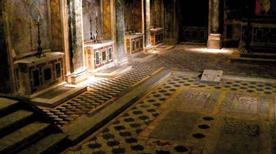
Catacombe di San Gauduso
Naples
(34 Km)
The catacomb of the African S. Gaudioso, is thought to have arrived in Naples in 439 following the persecution of the Aryan king of the Generic Vandals. The peculiarity is the burial of the skulls of the deceased recessed in the walls of the ambulacrum. The interior of the catacomb has frescoes and mosaics dating from the 5th-6th century and also sculptures belonging to the time of the construction of the basilica.

Catacombe di San Gennaro
Naples
(34 Km)
Italy is well known in tunnels on extensive scale, ambulatories of the highest order, and gratifying chapels and cubicles. The best of all these are located at The Catacombs of San Gennaro. The point has underground Christian sites for burial ceremonies. The place is open from Monday to Saturday staring from 10.00 to 17.00 hours while people may access the services on Sundays from 10.00 to 13.00 p.m.
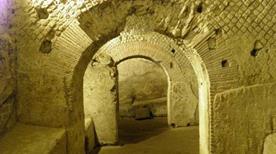
Scavi San Lorenzo Maggiore
Naples
(33 Km)
The archaeological excavations began in the eighties, and ended in May 2009. The ancient structure had in the center a newsstand with columns that are supposed to host a fountain. The stratification of the excavations, allowed the knowledge of the various historical phases of the city. The area has been open to the public since 1993.
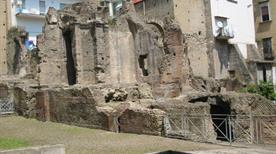
Complesso Archeolog.Vico Carminiello
Naples
(33 Km)
The archaeological site of Carminiello ai Mannesi is located inside the ancient center of Naples. The archaeological complex was unearthed by the bombings of 1943. It is a large complex of about 700 square meters, and occupied the surface of an entire block. It was created as a large private domus in the Republican age, and at the end of the first century AD, it was converted into a spa complex.
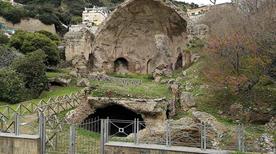
Baia - Tempio di Diana
Bacoli
(32 Km)
The Temple of Diana is located within the municipal territory of Bacoli in the province of Naples. It is an archaeological site located in Baia. The building has special architectural and decorative elements of the time. The Temple was characterized by a colossal ogival dome, today collapsed in half. The construction looks like a large circular classroom enrolled in an octagon.
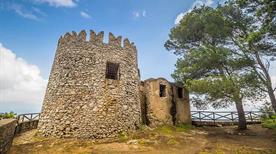
Villa Damecuta
Capri
(1 Km)
Excavations at the Villa began in 1937 under the direction of Amedo Maiuri. Among the findings that were salvaged are fragments of columns made from pure Greek marble. These points out the villas rich décor of marble floors, stucco work, decorations and art works.
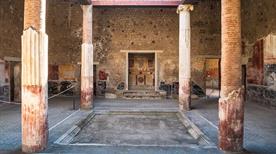
Scavi Archeologici
Castellammare di Stabia
(29 Km)
The Archaeological Excavations of Castellammare di Stabia have brought to light several villas and residential buildings as well as residential districts of the ancient city of Stabiae. The origins of the city date back to the 7th century BC and from historical materials it appears to have been destroyed by Silla and the eruption of Mount Vesuvius in 79 AD. The remains were found on the edge of the Poggio di Varano of several villas, including that of San Marco and Villa Arianna which is the oldest.
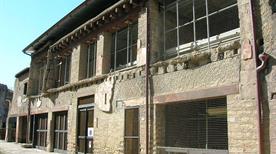
Casa del Bicentenario
Ercolano
(30 Km)
This house excavation was finished in 1938 two hundred years after the official digging had started hence named bicentenary. This house is decorated with frescoes and a cross that probably could be the oldest artifact testifying Christianity in Roman Empire.
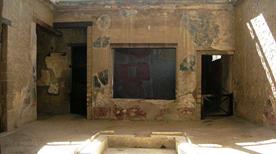
Casa Sannitica
Ercolano
(30 Km)
This house has an arrangement that was distinctive of the Samnites, an ancient community that lived in this mountainous part. The remains of the casa Sannitica has its rooms decorated with frescoes with this impressive atrium that is kilted by gallery with lonic columns
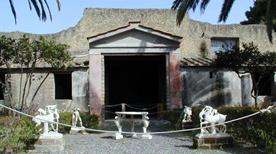
Casa dei Cervi
Ercolano
(30 Km)
This is a rich patrician mansion which probably is one of the most beautiful houses overlooking the Bay. The house is well decorated with numerous frescoes and artworks including a marvelous sculptured group of stags being attacked by dogs.
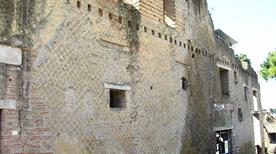
Pistrinum
Ercolano
(30 Km)
An inscription on this building states that the bakery belonged to one Sextus Patulus Felix. A large oven and mills can be seen at the backyard of the baker’s.
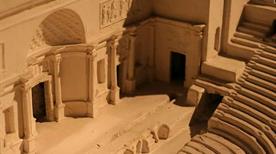
Teatro
Ercolano
(30 Km)
The theatre which is placed at the edge of the archeological site is believed to have been accommodating an approximated two thousand spectator.
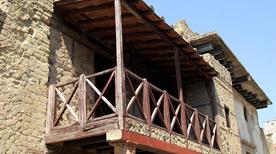
Casa a Graticcio
Ercolano
(30 Km)
This house derives its name from the wooden trellis which formed the graticcio (framework) of its walls. This house is the only antique example of this technique of construction.
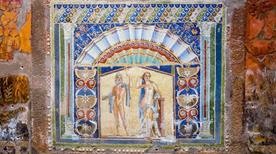
Casa del Mosaico di Nettuno e Anfitrite
Ercolano
(30 Km)
This is another archeological site of a house equipped with a shop having its counter facing to the street. The nymphaeum is decorated by mosaics that depict Amphitrite and Neptune.
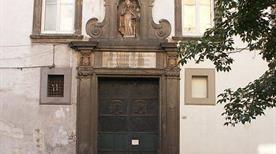
Palazzo Arcivescovile
Naples
(33 Km)
The Archbishop's Palace is located in the city of Naples. It was built at the end of the 13th century, for the will of Cardinal Enrico Minutolo. On the central portal there is a marble statue with a blessing San Gennaro. The decorations of the rooms are the work of Lanfranc. In recent years, the palace has been restored and a number of paintings have been arranged from closed churches.

Palazzo Penne
Naples
(32 Km)
The date of construction of the Palace, by Antonio de Penna, is reported by the epigraph located on the portal and is that of 1406. The structure was built on three floors and is a set of Catalan and Tuscan characteristics. Over the centuries, the palace has passed into the hands of several noble owners.
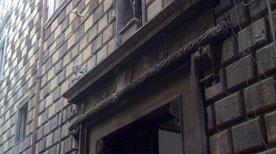
Palazzo Diomede Carafa
Naples
(33 Km)
The Palazzo Diomede Carafa was founded in the 15th century, and is one of the most interesting fifteenth-century buildings in Naples. The palace has a weave of Florentine Renaissance forms and Gothic taste of the local tradition. Carafa was a collector of works of art, especially sculpture.
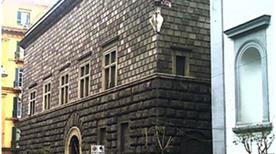
Palazzo Como
Naples
(33 Km)
Palazzo Como was built in 400. At its origins, the palace in 1292, was owned by the vicar of Charles II of Anjou, Riccardo Como d'Albignano. In 1454 it was enlarged by Giovanni and Fabio Como. Next to the building, a garden was purchased and the Aragonese coat of arms was added by the Como, for gratitude and recognition. Today it is home to the Gaetano Filangieri Civic Museum. Inside there are paintings, sculptures, relevant collections of art and, moreover, weapons, majolica, porcelain, books, archival documents.
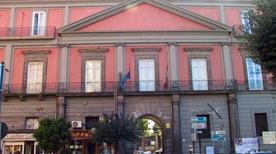
Palazzo Colonna di Stigliano
Naples
(32 Km)
This building is located in the heart of the city of Naples. It was built at the end of the 16th century by Giovanni Zevallos. At the end of the 19th century, the building was purchased by the Banca Commerciale Italiana. The renovation was done by the architect Platania, and since 1898 the building continues to act as a bank office. The building and the original courtyard are built in Art Nouveau style. Of great interest, is the staircase of honor, where the neoclassical decorations of the great painters are located.
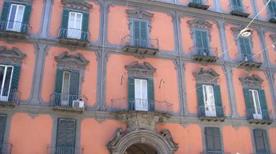
Palazzo San Giacomo
Naples
(32 Km)
Palazzo San Giacomo in Naples is located in the square in front of Maschio Angioino. The building is the seat of the municipal administration. The decorations of the building are all in neoclassical style, the facade has three entrances and the three floors of the structure have twelve windows. Inside, there are two niches that house the statues of Ruggiero the Norman and Frederick of Swabia.
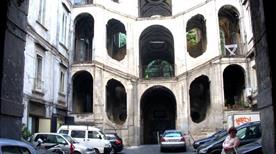
Palazzo Sanfelice
Naples
(34 Km)
Palazzo Sanfelice is a monumental palace located in the city of Naples. The palace was built between 1724 and 1726, by the architect Ferdinando Sanfelice. The building consists of two distinct parts, unified by the facade. In the 18th century, the main floor was decorated with frescoes by Francesco Solimena, while the private Chapel had four statues coming from the school of Giuseppe Sanmartino, works that are not found today more.
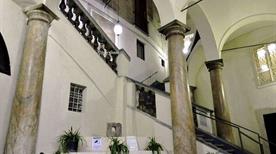
Palazzo dello Spagnolo
Naples
(34 Km)
The Spanish Palace is a monumental palace in Naples. The palace was designed and built, in 1738, by Ferdinando Sanfelice for the Marquis of Poppano. The architecture of the palace is in Neapolitan Baroque style. Of great interest is the open staircase to the courtyard that presents the typical element of Rococo.
Palazzo Spinelli di Laurino
Naples
(33 Km)
The Palazzo Spinelli in Laurino in Naples, was built in the fifteenth century, and restored and decorated in the middle of the 18th century, by Trojano Spinelli. The most particular part of the building is the elliptical courtyard, adorned with statues of a very special charm. Unfortunately, today the facility is in a state of degradation and needs a new renovation.
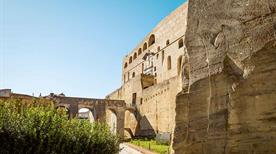
Castel Sant'elmo
Naples
(32 Km)
Castel Sant'Elmo is a medieval castle, located on the Vomero hill, in Naples. This building was the first castle by extension of the city. The castle has always been a very coveted possession. From the location of this beautiful castle you can the gulf and the streets that lead to the city. Today the castle is home to various temporary exhibitions, fairs and events.
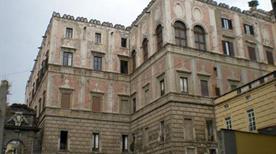
Palazzo Cellamare
Naples
(31 Km)
The Palazzo Cellammare in Naples is an ancient noble palace. The palace was erected in the sixteenth century by Giovanni Francesco Carafa, according to the sixteenth-century characteristics. The building has an eighteenth-century façade, while the door is in Baroque style. Inside, you can admire the frescoes of great artists such as Giacomo del Po, Pietro Bardellino, Giacinto Diano and Fedele Fischetti.
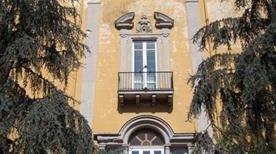
Palazzo Cariati
Naples
(32 Km)
Palazzo Cariati is a monumental palace in Naples that is located between the Piazzetta Cariati and the Corso Vittorio Emanuele. The palace represents an example of civil architecture of the Neapolitan Renaissance. On the second floor, there are frescoes, majolica floors and tapestries. Today, the “Giovanni Pontano” institute is located in the building.
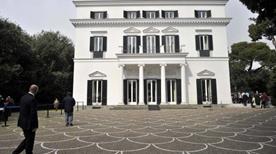
Villa Rosebery
Naples
(27 Km)
Villa Rosebery is a monumental complex located in the Posillipo district of Naples. The villa was built as a royal residence. In the scenic area known as the 'lookout', De Thurn had a private residence built, with a chapel and a garden, allocating the rest of the land for agricultural use. Today, it is one of the three official residences of the President of the Italian Republic.
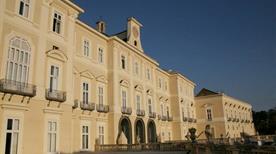
Reggia di Portici
Naples
(31 Km)
The Royal Palace of Portici was built between 1738 and 1742, at the behest of Charles III of Bourbon. The palace also became the seat of the Herculanense Museum, where the finds of Herculaneum are located, today kept in the National Archaeological Museum. The structure consists of two wings that connect from a large courtyard. In the building there are also many decorations, mosaics and columns, which were found during the excavations of Herculaneum.
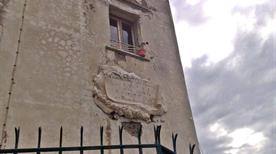
Finestrella di Marechiaro Calata Ponticello
Naples
(27 Km)
La Fenestella was born as a trattoria at the beginning of the century and took its name from a window of the restaurant in which Carolina looked out, made famous by the song “A Marechiaro” by Salvatore Di Giacomo. It is currently a restaurant run by the grandchildren of the founder, Vittorio and Davide Anastasio.

Tombe di Virgilio e Leopardi
Naples
(30 Km)
The tombs of two great poets is located in Naples. The tombs can be visited inside a park dedicated to the Latin poet. The park was built in 1930 and near the entrance there is a tombstone of 1668 made by Pedro of Aragon where the surrounding landscape is magnificent.
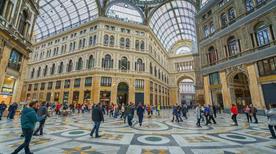
Galleria Umberto i
Naples
(31 Km)
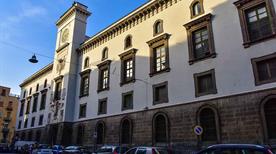
Castel Capuano
Naples
(33 Km)
The purpose of the construction of the Capuano Castle, built in the twelfth century, was to defend the Capuana Gate from which it also takes its name. Given its distant origins, the Castle would be the second oldest castle in the city of Naples. It is a robust and fortified structure, used as a residence for the Norman rulers. The castle has changed its physiognomy thanks to the numerous renovations over the centuries.
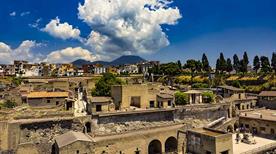
Scavi di Ercolano
Ercolano
(30 Km)

Galleria Lia Rumma
Naples
(31 Km)
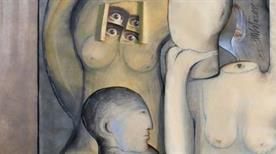
Galleria Riccardo
Naples
(32 Km)

Galleria Scognamiglio
Naples
(31 Km)
Museo Civico di Castel Nuovo
Naples
(32 Km)
The castle was built in Gothic style by French architects in the years 1279 -1282. It has a rich museum hall, which houses sacred vessels and precious works of art. Of particular interest is the Palatine Chapel.
Proteus Azienda Speciale Camera Di Commercio
Naples
(33 Km)