
Castello Toritto
Toritto
The Toritto Castle is thought to have been built in the Peuceta era. During the 15th and 16th centuries, a tower was added called the Norman Tower, which was declared, in 1938, a National Monument. Currently, the Castle is privately owned.

Santuario della Madonna della Palomba
Matera
(33 Km)
Built in 1580 and leaning against the ancient cave in which remains the fresco. The façade with rose window and bell tower and the interior with a single nave with frescoes.
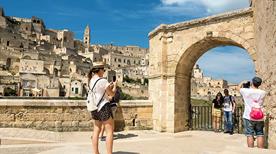
Quartiere la Civita
Matera
(33 Km)
The oldest part of the settlement, characterized by the presence of the cathedral, the palaces and the remains of several towers.

Chiesa di Santi Pietro e Paolo al Sasso Caveoso
Matera
(33 Km)
Probably dating from the thirteenth century, It was rebuilt in the early eighteenth. The interior is in baroque style, full of statues, ornaments, paintings.
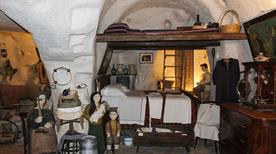
Museo – Laboratorio della Civiltà Contadina
Matera
(33 Km)
It features a reconstruction of typical rooms of the past and a variety of crafts represented through their characteristic tools.
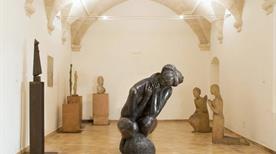
MUSMA – Museo della Scultura Contemporanea
Matera
(33 Km)
More than two hundred and fifty works donated by artists, collectors, critics and art galleries Italian and foreign companies.

Museo Nazionale d'Arte Medievale e Moderna
Matera
(34 Km)
One section is dedicated to paintings and objects from the churches in the area. The second section sets out the paintings in the collection d'Errico. The third section has documents and works relating to the life and literary activity of Carlo Levi
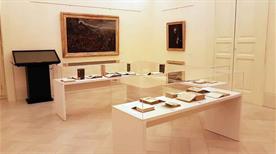
Pinacoteca d'Errico
Matera
(34 Km)
The collection consists of about six thousand books, five hundred prints and three hundred paintings, especially works of Neapolitan artists and some of the seventeenth-century .

Ipogei
Matera
(33 Km)
Located under the main square of the city and brought to light a few years ago, a number of underground rooms containing also an old tank, called the long Palombaro, and a tower making part of the walls near the Castello Tramontano.

Museo Nazionale "Domenico Ridola"
Matera
(34 Km)
It was born in 1911 thanks to a donation from Senator Domenico Ridola. The National Archaeological Museum Of Ridola in Matera, which is also the oldest museum in Basilicata, takes us back into the past of the ancient habits of the world of our ancestors. Through the traces of the finds found in the ancient Neolithic villages of Murgia, there are evidence of the development of agriculture in the 6th millennium BC An adventure in the past not to be missed.

Museo - Fondazione E.Pomarici Santomasi
Gravina in Puglia
(21 Km)
The E.Pomarici Santomasi Foundation is located in the seventeenth-century Palace originating from the Santomasi family, then linked to that of the Pomarici of Montepeloso. The exhibition space is distributed over three floors. On the ground floor there is a permanent exhibition of vintage clothes belonging to the Pomarici family. On the first floor is the Library that boasts 36,000 volumes including precious manuscripts and scrolls. On the top and second floor there is the space dedicated to archaeology that collects local coins and relics of excavations of pre-Roman times.

Parco Archeologico Botromagno
Gravina in Puglia
(21 Km)
The Botromagno Archaeological Park is the place of greatest interest in Gravina in Puglia because it houses the remains of a Neolithic civilization. Some painted and plastered tombs of the 5th century BC are visible from the ancient city and the remains of a villa from the 2nd- I century BC.
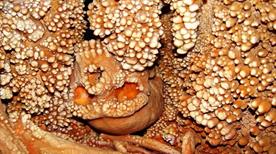
La Grotta di Lamalunga e l'Uomo di Altamura
Altamura
(1 Km)
This cave is characterized by a system of carsic cavities and narrow tunnels. After a corridor of about 60 meters, you can see the surprising archaeologic finding known as the Man of Altamura, the fossil skeleton of a man.

Cava Pontrelli
Altamura
(17 Km)
In Altamura, there is an archaeological site, dating back about 70 million years ago, with footprints of herbivores and carnivores dinosaurs. There are footprints of more than 200 specimens of at least 5 different species. The discovery of the deposit was possible thanks to the work of the paleontologist Umberto Nicosia and Fabio Petti.

Dolmen la Chianca
Bisceglie
(25 Km)
Among the most important in Europe for its size and beauty of lines, the Dolmen della Chianca has an excellent state of preservation.
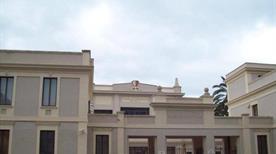
Archivio di Stato
Bari
(29 Km)
The State Archives of Bari draws its origins from the decree of 22 October 1812 by Gioacchino Murat and the Law of 1818 that established the Provincial Archives. Over the years the structure has changed several locations, lately it has been stationed in via Pietro Orese nr. 45. But only in 1835, work began. Documented materials are preserved that have their compact shelving distributed in about thirty kilometers.
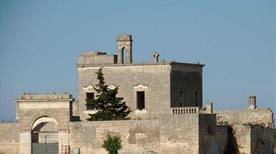
Masseria Torre Reddito
Bari
(31 Km)
Masseria Torre Inferno was built in the sixteenth century at the behest of Isabella of Aragon, daughter of the king of Naples Alfonso II, with the intent to manage the agricultural funds of the area and for the deposit of her animals . Not long after, the building was donated to Enrico Tanzi who restructured some parts of it. The structure consists of several buildings among which stands a bell tower with eighteenth-century decorations. Of particular composition we also find the chapel dedicated to Sorrows with architravated portal.
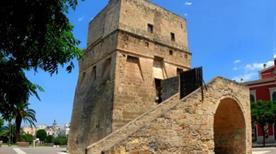
Torre Pelosa
Bari
(38 Km)
The structure was built around 1500, in the hamlet of Torre a Mare near Bari. Its main function was to defend the coast from raiders and pirates raids. It was initially called 'Torre Apellosa' or 'Torre Lapillosa' and later took the current name.
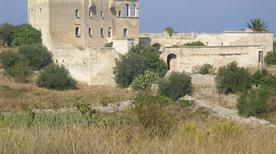
Masseria Caggiano
Bari
(26 Km)
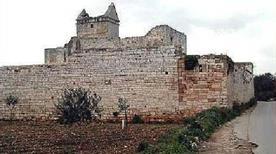
Torre Ricchizzi
Bari
(25 Km)
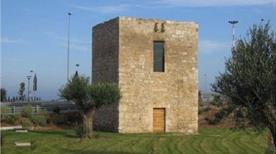
Torre di Inferno
Bari
(26 Km)
The Tower of Inferno was built in 1568 as reported in the architrave of the structure itself. Initially, its function was mainly to defend and sighting the hinterland. The structure was part of the property of the Maiorano family. Currently, it is in good condition.
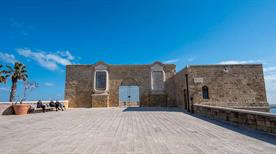
Fortino Sant' Antonio
Bari
(31 Km)
Masseria Tresca
Bari
(27 Km)

Masseria Alberotanza Ex Torre Pieschi
Bari
(26 Km)
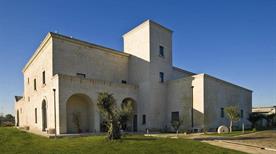
The Masseria Alberotanza Ex Torre Pieschi was built during the 13th century and belonged to the family of Pieschi di Modugno. During the 18th century the structure was expanded by the Alberotanza family, originally from Mola di Bari. The most impressive part is the tower of the building that has a square plan with architraved windows. Adjacent to the tower are also some one-storey rooms that had the function of chapel and storage of tools.
Masseria Madia Diana o due Torri
Bari
(25 Km)
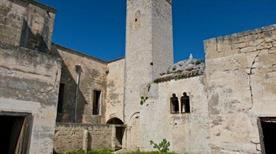
Masseria Madia Diana or two Towers was built between the 13th and 18th centuries where the Provincial Road 1 is currently located. The Tower was built in the thirteenth century and had the function of a structure for sighting and defending the adjacent village. Of the two towers we notice that there is only one left that comes with louvers and single doors on the side of the courtyard. The entrance to the farm takes place through the northeast part of the structure and inside it you can see an oil mill turned into a barrel where there are engravings.
Torre normanna
Adelfia
(25 Km)
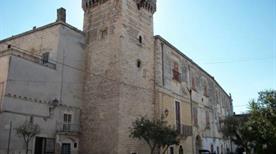
The Norman Tower of Adelfia was built between 1147 and 1153 together with the castle, by Alfonso Balbiano. The Tower has a height of 19 meters. The main function of the tower was to defend and report in the event of assaults or disasters those seeking rescue. The tower passed into the hands of several feudal lords up to the Marquises Nicolai. Today it is well preserved.
Torre dell'orologio
Gravina in Puglia
(21 Km)
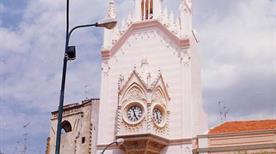
The Clock Tower is the only example of Gothic art in Puglia. In 1980, due to a strong earthquake, the tower was seriously damaged. Later, it was rebuilt, and today it is in an excellent state of preservation.
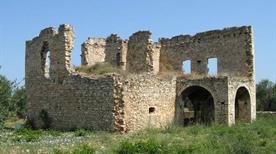
Torre Alfiere
Molfetta
(18 Km)
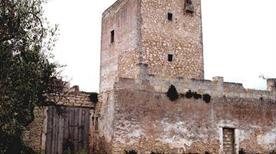
Torre Mino
Molfetta
(22 Km)
Torre Mino was built around the 11th century in the current district of San Leonardo, not far from Molfetta. It represents one of the oldest towers in the Molfetta area and is also called a farmhouse because it was part of a rural complex. The structure has a square plan, developing in four floors with its roof that dominates the view. The stairs leading to the upper parts were built later and in the era after the construction.
Torre Cascione
Molfetta
(22 Km)
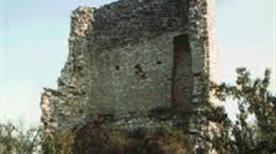
Torre Sgamirra
Molfetta
(23 Km)
The Sgamirra Tower was built in the fourteenth century and is located among several olive groves not very far from the center of Molfetta. The structure was massive, with a square plan and reached twenty meters in height. There is only a third of the building, but it is assumed to be divided into three elevated floors.
Torre Cicaloria
Molfetta
(23 Km)
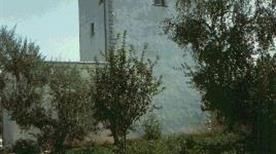
The Cicaloria Tower was built around the 14th century and is located in the district Lama Cupa not very far from Molfetta. The property had access with retractable stairs and stood eighteen meters high on a square floor plan. On its sides there are two windows, but it is noted that the top is without a cornice.
Torre Navarino
Molfetta
(22 Km)
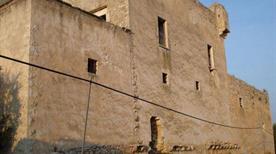
Torre Navarino was built around the 16th century by the Gadaleta family. The Tower is located on the Macchia district of Gadaleta, not far from Molfetta. The structure is from the rectangular plan rising for about ten meters in height. The Tower is part of the complex consisting of a farmhouse, a garden and a palm where the entrance is located on the east side. Originally two towers stood near the building used as a snowfield.
Torre Cappavecchia
Molfetta
(22 Km)
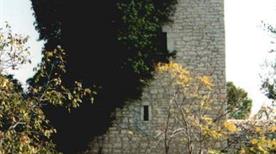
The Cappavecchia Tower was built around the twelfth century in the homonymous district not far from Molfetta. The denomination comes from the legend that tells of a treasure found wrapped in an old hood. The structure has a square plan and stands for more than eighteen meters high with three floors divided inside. Fortune wants this tower to remain almost the same over time, as opposed to many other structures now degraded.
Torre Falcone
Molfetta
(23 Km)
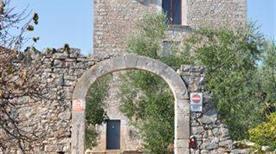
The Falcone Tower was built in the fourteenth century, by the noble Falconi family. In the eighteenth century the building passed to the Giovene family and was surrounded by a garden that bears a pleasant appearance. The name comes from the surname of Nicola Maria Falconibus who owned it during the sixteenth century. Currently, the tower is part of the properties of the heirs of Mauro Minervini.
Torre Claps
Molfetta
(27 Km)
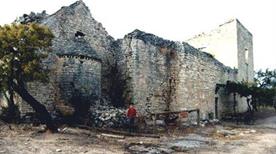
The Tower is named after the Clappis of Potenza and is otherwise known as the Tower of San Martino. The fortification has a square shape and is not far from the city, only 3.5 km. Its construction dates back to the twelfth century and has a height of about 13 meters. The construction today is not integral, there are few ruins.
Torre Chiusa della Torre
Molfetta
(27 Km)
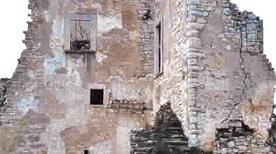
The Tower dates back to the 9th century and is located in the district of Chiusa Vetrana, not far from Molfetta. Its name comes from being in a natural lock or better in a fenced place for pasture. The structure is divided into two floors, with a height of eighteen meters. Unfortunately, today the tower has some deteriorated parts, but it is assumed that there were friars inside it, based on the presence of signs of a fresco depicting a friar who breaks bread.

Torre San Giacomo
Molfetta
(28 Km)
The Torre San Giacomo is all that remains of the ancient San Filippo e San Giacomo hospital built in 1143. The property is located not far from Molfetta. The tower, eight meters high, is distributed on one floor and its peculiarity is the main façade dominated by a large arch.
Torre del Gallo
Molfetta
(23 Km)
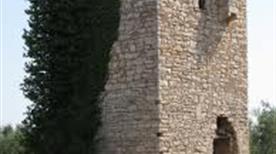
The Torre del Gallo is located in the town of Lama Martina not very far from the center of Molfetta. It was built around the 16th century and was placed in a fund owned by Rocco della Sparatella. Its structure consists of two floors, about fifteen meters high. The access was through the bettole and the light came back through a stripped arch that probably served as a window.
Torrione Passari
Molfetta
(27 Km)

Torre Molinara
Molfetta
(25 Km)
The Molinara Tower was built around the 14th century, is located in the Venere district, not far from Molfetta. It represents the only Molfettese cylindrical tower that has remained nowadays and stands for about ten meters in height. The property consists of two floors accessible through retractable stairs.
Torre Pettine Azzollini
Molfetta
(24 Km)
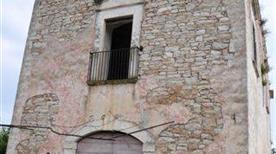
The Pettine Azzollini Tower was erected in the 16th century and is considered a fortified structure. In fact, during the different episodes of plague, cholera and wars of the twentieth century some families sheltered within it. The denomination comes from the pawns that the pirates left along the path after looting from the Azzollini to which the tower passed after the Passari. The property is accessed through an arched entrance and the upper floor can be reached from the internal stairs.
Torre del Capitano
Molfetta
(25 Km)
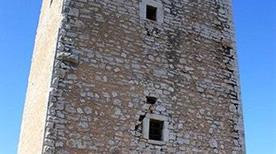
The Captain's Tower was raised by the Byzantines who destined it to the Captain, and it was the first lookout tower—in the territory of Bari. The construction is ancient as it was built with rough stones and just blank. Developed in different floors, it is also composed of rectangular single lights that illuminate the interior space. On the outside, it was surrounded by a moat filled with water in the event of an assault.
Sasso Caveoso
Matera
(34 Km)
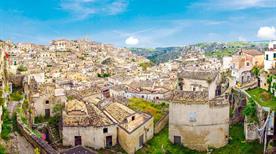
Today, the Sasso Caveoso District is characterized by an ancient appearance. This part of the city is mainly composed of houses dug into the rock, almost completely intact. The great homonymous square, where the recently renovated church of San Pietro Caveoso is also located, allows you to admire the panorama of the Gravina and the array of houses and caves, perched on each other.
Sasso Barisano
Matera
(33 Km)
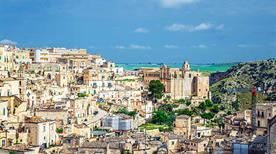
The Rione Sasso Barisano, is almost completely renovated and houses numerous restaurant and hotel facilities as well as various tourist attractions such as the reconstruction of the miniature stones and the Museum of Peasant Civilization.

Cattedrale di S. Maria della Bruna
Matera
(33 Km)
The church, which was founded on two pre-existing crypts, destroyed during the looting, and on the foundations of the church of Saint-Eustache, was built in 1270. On the facade a beautiful rose window and the interior full of frescoes and statues.
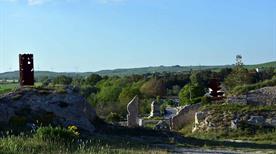
Parco Scultura la Palomba
Matera
(33 Km)
Located in an abandoned quarry, it houses the works of Antonio Paradiso, Carrino, Trotta, Spagnolo.
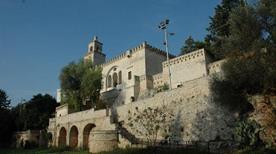
Santuario Madonna della Grotta
Modugno
(24 Km)
The Sanctuary of Madonna della Grotta is located in the former Benedictine Abbey of the 11th century built in the territory of Modugno. According to some documents from 1189, the place where the Sanctuary stands was the hermitage where San Corrado Bavaro lived. Inside the Sanctuary there are fourteenth-century frescoes and a sculptural group dating from the fourteenth — fifteenth century that depict the Pietà.

Chiese Rupestri: Grotta di San Michele
Gravina in Puglia
(21 Km)
Among the natural fissures extends, in the karst rocks (Tuff), the famous cave-church dedicated to Archangel Michael that was the first cathedral of Gravina (sec. X).

Chiese Rupestri: Madonna della Stella
Gravina in Puglia
(21 Km)
Located on the left side of the “Gravina” stream, it is a very suggestive rock complex in which the sacred and the profane seem to merge. Primitive seat, perhaps, of pagan cults, it later became the oldest symbol of Marian worship.

Chiesa di Santa Maria del Suffragio
Gravina in Puglia
(22 Km)
Funeral chapel of the Orsini family. In the presbytery perfect reduction of the dome of St. Peter, stands the altar by Francesco Guarino and a central altar inlaid in polychrome marble. The side altars in bicromes marble (s. XVII) are valuable
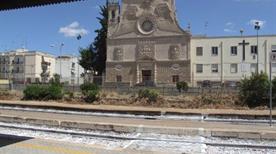
Santuario Madonna della Grazia
Gravina in Puglia
(21 Km)
The Sanctuary of Madonna della Grazia was built in 1602 as the residence of the bishop and seminarians. Its structure follows the logic of building the Tuscan order, with 12 oval stone medallions depicting the apostles. In 1980 the church was restored, completely transforming the structure of the building into that of a basilica. The bell tower dates back to the 19th century.

Basilica Cattedrale
Gravina in Puglia
(22 Km)
With three naves divided by columns, shows polychrome altars of early eighteenth century. Works of art: baptismal font by Pope Benedict XIII. the choir of late ' 500; wooden ceiling decorated with gold. In the sacristy a finely carved wooden bar (1561).
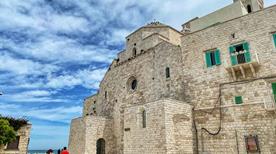
Duomo Vecchio
Molfetta
(27 Km)
Built in Romanesque style in 1100 it is the most important religious building in the city. Dedicated to the city's patron Saint Corrado. The architectural style is similar to all the buildings built by the Benedictines with a pyramidal structures.
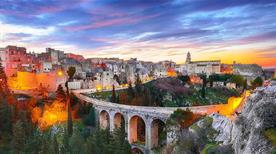
Ponte Acquedotto Orsini
Gravina in Puglia
(21 Km)
The aqueduct bridge was built thanks to the contribution of the Duke of Gravina ORSINI in the mid-'700.It connects the Church Madonna della Stella and the Archaeological Park of BOTROMAGNO with the ancient city. medieval
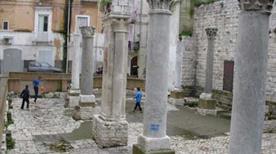
Bari Vecchia
Bari
(31 Km)
It is the oldest part of the town and is characterized by the presence of a maze of alleys and numerous churches and palaces.This area of Bari, in fact, owns most of the historical artifacts that have documented history.
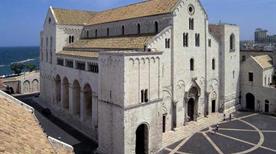
Basilica di San Nicola
Bari
(30 Km)
Example of Apulian Romanesque architecture is one of the symbols of the city and houses the relics of St. Nicholas, stolen by some sailors from Turkey in 1087
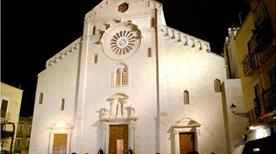
Cattedrale di San Sabino
Bari
(30 Km)
It was erected in the eleventh century, after the destruction of the city occurred in 1156. Enriched from the famous mosaic of the sixth century AD is one of the best examples of Apulian Romanesque style
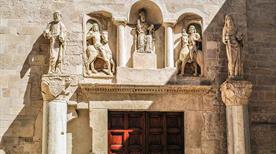
Cattedrale di Bisceglie
Bisceglie
(31 Km)
According to tradition, the most eminent Biscegliese monument was founded in 1073, as evidenced by a stucco block, late and yet reliable.
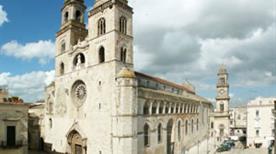
Cattedrale di Santa Maria Assunta
Altamura
(15 Km)
An architectonic complex constituted of an ensamble of elements offering an armonic beauty. The original romanic-pugliese style is also named "federiciano" for the insights of Federico II.
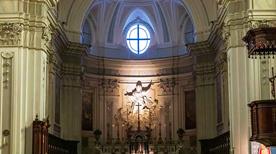
Cattedrale di Santa Maria Assunta
Molfetta
(27 Km)
The Cathedral of Santa Maria Assunta was built in the seventeenth century at the behest of the Jesuits and is dedicated to their founder Ignatius of Loyola. Inside it are kept the relics of the patron saint St. Conrad of Bavaria. The façade houses inside a window the statue depicting Saint Ignatius of Loyola, but there are also other works, such as the Sixteenth Century Mariae Dormitio and the canvas of the Assumption of Mary of Corrado Giaquinto.
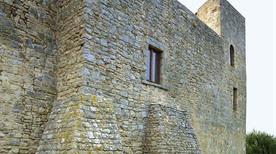
Castello di Balsignano
Modugno
(21 Km)
It was built in the early fifteenth century on the ruins of another building. In fact, a historical document informs us that it had already existed since 1186 and the Church of San Michele was also included in it. The castle has a massive and important structure. Inside there is a beautiful fresco, “The Madonna Enthroned with Child”. Now it's privately owned and it's in great condition.

Palazzo Ducale Orsini
Gravina in Puglia
(21 Km)
Palazzo Ducale Orsini dates back to the sixteenth century and has a basically Baroque style. The name was given to him because it was the home of Pier Francesco Orsini. This character was very important because it was the Pope, appointed Benedict XIII, who called the Jubilee in 1725.
Castello Svevo
Gravina in Puglia
(20 Km)
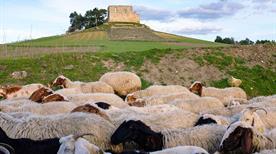
The Swabian Castle stands on a hill, is a building that dates back to the Middle Ages and was erected at the behest of Frederick II. One of the main purposes was to act as a home during the hunting trips that the emperor was doing. It was also used as a venue for the meetings of the Curia. Today it can be visited only from the outside.

Castello Tramontano
Matera
(34 Km)
The structure, built in 1501 by Count Giancarlo Tramontano, feudal lord of Matera, is located on a hill, nicknamed Lapillo hill. The castle has an Aragonese style, with a central master and two round side towers, scalloped and equipped with louvers. Since 2008 it underwent a renovation, then finished in 2011.

Palazzo Baldassarre
Altamura
(16 Km)
Close to Piazza Foggiali, the palace shows the signs of centuries in its stones. It belongs to the long Baldassarre dinasty, first builders, then enterpreneurs, it was inhabited by descendants of the family.
Castello delle Fascine
Adelfia
(23 Km)
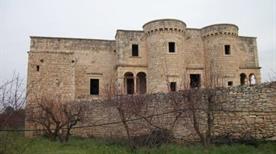
The Castello delle Fasine is also known by the name of Casino Don Cataldo. It was built, towards the end of the seventeenth century, by the Marquis Carlo Tommaso De Nicolai for agricultural purposes, to be closer to the land he owns. At first glance it looks like a fortress, but the presence of open loggias on the courtyard suggests its rural and practical functionality.

Palazzo De Angelis-Viti
Altamura
(15 Km)
Palazzo De Angelis-Viti is one of the most representative and best preserved examples of palaces of the type house at court. It is located near the Gate of Bari. The building has changed over the years. The initial part, that of the building building which includes the ground floor and the main floor, dates back to the beginning of construction, with also the entrance portal and the internal loggia. Between the 17th and 18th centuries, the entrance portal was modified and the second floor was completed.
Masseria Calderoni
Altamura
(16 Km)
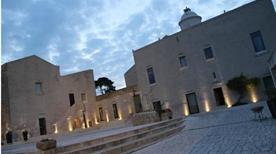
Masseria Calderoni is a building that was built in the first half of the 16th century. Over time, the building was owned by the Calderoni family. Today the building is owned by the Netti family.

Masseria Casino De Angelis
Altamura
(16 Km)
Masseria Casino De Angelis was built in the 17th century. It consists of a productive and functional residence. The ownership of the land is of the Viti family.
Castello Marchesale
Adelfia
(25 Km)
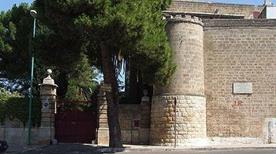
The Marchesale Castle, in the Municipality of Adelfia, was built in 1390 by the will of Nicolò Dottula, who remained the owner until 1417. Inside the castle, you can find a small church with relics of Christian martyrs, several salons and dungeons. Today, the castle is home to the homonymous Palace, rich in beautiful frescoes.
Castello di Ceglie
Bari
(27 Km)
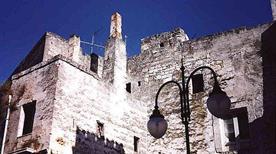
The Castle of Ceglie was built around the eleventh century, but little or nothing is known about its history. The only certainty is that in 1156, it was the home that welcomed the inhabitants of Bari who escaped the city razed to the ground by the Normans. Subsequently, the building was attached to other structures, thus losing its original features.
Masseria Prete
Bari
(27 Km)
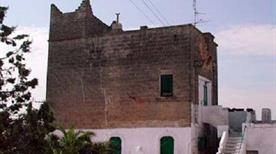
The Masseria Prete is easily accessible and visible from its raised structure. Several structural bodies and a tower are part of this building. Being so wide and having many different parts implies that these were built at different historical times. Today this structure belongs to the Guaccero family.
Masseria Torre La Monaca
Bari
(24 Km)
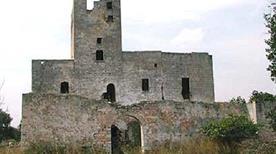
It was built around the 13th century, a period when the first testimonies of the tower were received. The base is also part of it, characterized by a staircase with a balcony, the lunate ring and a caditoia. Unfortunately, over the centuries, it has suffered various damages, in fact, some parts are missing because they collapsed. Despite this, the tower is still open to visitors.
Masseria Maselli
Bari
(27 Km)
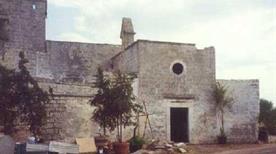
Masseria Maselli is also known as Gironda for the fact that it belonged to the D'Angiò family. The construction dates back to the 13th century. Today, its owner, Mr. Vasile, is undergoing its restructuring and will be put into use as a farm.

Castello Normanno-Svevo
Bari
(30 Km)
Fortress built in 1131, characterized by square towers above it and by a wide and deep moat.It's one of the beautiful examples of Norman rule in Italy.
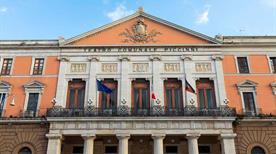
Teatro Piccinni
Bari
(30 Km)
The Niccolo Piccinni Municipal Theatre is the oldest theater in the city of Bari and canaccommodate more than eight hundred spectators. The theater was inaugurated onMay 30, 1854 with a performance of "Poliuto"by Gaetano Donizetti.
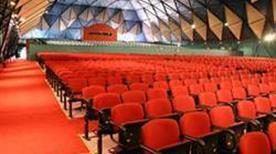
TeatroTeam
Bari
(31 Km)
The TeatroTeam divided its business in the almost total use of the various segments of entertainment. Thus it offers to its viewers reviews, plays, musicals, dance, comedy andcan accommodate more than two thousand spectators.

Piccolo Teatro di Bari Eugenio D'Attoma
Bari
(29 Km)
This small theater is an important cultural node in Bari, where much space was given to recover the traditions and the dialect of Bari.

Teatro Kismet OperA
Bari
(27 Km)
The Factory for the Arts Opera Kismet has become attractive to foreign and Italian artists, becoming a model of mediation between the theater and other forms of creative activity such as writing, painting, video, photography, music.
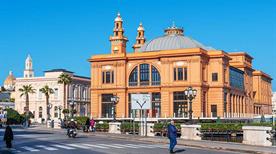
Teatro Margherita
Bari
(30 Km)
The Margherita Theatre was built between 1912 and 1914 and is located in front of the sea. After the restoration of the exterior, the theater was reopened in 2009. Currently, the theater is closed for reasons of renovation and will be transformed into a museum of contemporary art.
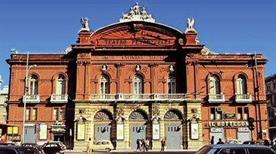
Teatro Petruzzelli
Bari
(30 Km)
The largest private theater of Europe and for its size it is the fourth of Italy. It belongs to the Italian family Messeni Nemagna. Since the first season it hosted the greatest artists, and being a politeama, it gave rise to the most various kinds of entertainment. Created by merchants from Bari, Onofrio and Antonio Petruzzelli, originally from Trieste,it is the pride of the city and of the whole of Puglia. Destroyed in 1991 by a fire,it is now completely rebuilt.
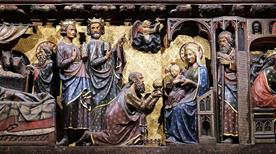
Museo della Pietà Popolare
Molfetta
(30 Km)
The Museum of Popular Pietà is a small museum that preserves works of great value. The museum is located inside the rooms of the Basilica of Our Lady of the Martyrs. The collection houses statues, antique prints and also a collection of cribs from around the world. The works that are located in the museum allow visitors to make a historical excursus that starts from the twelfth century and ends with the last work realized in 2004.
Raccolta Civica d'Arte Contemporanea
Molfetta
(27 Km)
Museo Pinacoteca "A. Salvucci"
Molfetta
(26 Km)
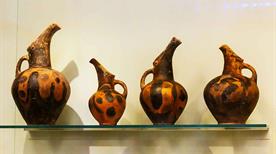
Museo Diocesano
Molfetta
(26 Km)
Museum collection of the Archpriest Giuseppe Giovene to whom we owe the first collection of archaeological material from the Pulo. A second core of the collection, due to the priest Francesco Samarelli enriched the Museum of finds.

Museo Scienze della Terra
Bari
(30 Km)
The Museum of Earth Sciences of Bari is part of the Department of the University of Bari. It is a collection of geo-environmental sciences and the earth. Inside, there are several historical collections acquired by the same University during the 1950s. The museum has a Mineralogical — Petrographic sector and a Geopaleontological sector arranged within an area of about a thousand square meters.
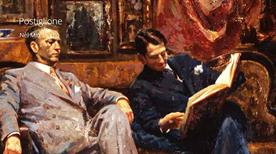
Pinacoteca Provinciale
Bari
(31 Km)
The museum also houses an important collection of works of the Italian nineteenth and twentieth century and is home to exhibitions and cultural events. It also consists of works dating from the fifteenth century to the present day.
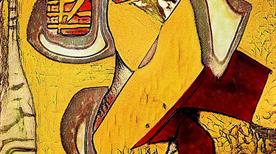
Museo Etnografico Africano
Bari
(30 Km)
The Museum exhibits the material collected by the Missionary Fathers, such as musical instruments and masks, ivory and wooden objects, material that documents, in part, African culture and civilizations, as well as a reconstruction of a town in Mozambique.
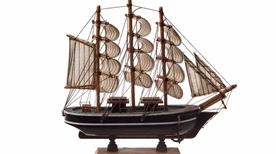
Museo Storico Civico
Bari
(30 Km)
The Civic Historical Museum of Bari was inaugurated in 1919. Inside, you can see many ancient paintings, period postcards, small models of ships, ancient books concerning city history, the first book printed in Bari, dating back to 1535 “Operette del Neapolitan Suavio.”

Museo di Scienze della Terra
Bari
(30 Km)
The collections, which tell the history of the Earth from its formation to the appearance of man, belong to the University of Bari. The most interesting finding is, perhaps, the fossil skeleton of a whale lived in the Pleistocene.
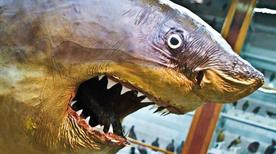
Museo di Zoologia
Bari
(30 Km)
The Museum of Zoology of Bari was established in 1925 and is part of the Department of Zoology of the University of Bari. Inside it exhibits a huge collection of different species, large turtles and also a 4-meter-long python. The Museum is open to all interested parties.
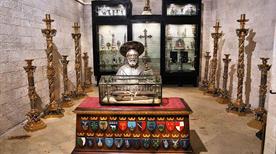
Museo della Basilica di San Nicola
Bari
(30 Km)
The Museum of the Basilica of Saint Nicholas is located in the city of Bari. Its construction began in 1089 and ended only in 1103. The consecration tombstone of 1197, which some interpret as the end of the works, was an act of devotion to Emperor Henry IV, who, in memory of his father Federico Barbarossa, set out for the Crusade asking for the blessing of St. Nicholas.

Museo Archeologico Provinciale
Bari
(30 Km)
it is among the most visited museums in Bari, exhibiting artifacts from archaeological sites in Puglia, which testify to the flourishing civilizations since prehistoric times. Of particular relevance is the section reserved to Greek ruins.
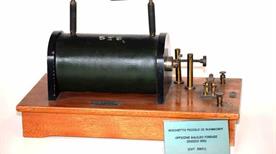
Museo-Raccolta di Fisica
Bari
(30 Km)
In the Museum of Physics of Bari there are three different collections, the Collection of the Institute of Experimental Physics, that of the Institute of Rational Mechanics and that of the Institute of Physics. The physics collection supports about 184 materials and objects, used for experiments. It is one of the most important museums in the city of Bari and is open to the public.
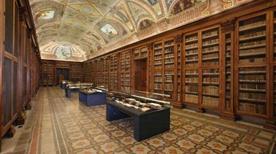
Museo Diocesano
Bari
(30 Km)
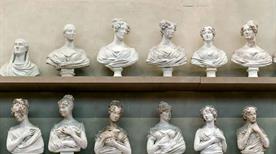
Gipsoteca del Castello Normanno Svevo
Bari
(30 Km)
Located in the Swabian Castle of Frederick II, the gypsoteca preserves plaster casts of external and internal ornamental sculptures of monumental religious and civil buildings of Puglia from the 11th to the 17th century, but they come temporary exhibitions are also set up.

Museo Comunale Storico
Acquaviva delle Fonti
(24 Km)
The Civic Museum of Campo di Alano Piave is located in the garden of the building and is divided over three floors. It presents objects, documents, iconographies related to the Great War of '15-18 and to emigration. You can see objects collected in the battlefield, photographs and original documents of the time. The Museum tells the story of 'Recuperants'. The structure is constantly changing to adapt to the needs of the materials on display.
Galleria Bonomo
Bari
(30 Km)
It was opened in 1971 by Marilena Bonomo where, over the years have come and gone many artists never seen in Italy and Europe. The gallery conducts an important pioneering work in contemporary art events in Bari
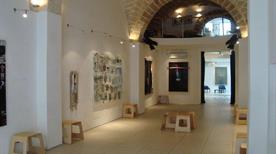
Galleria BLUorG
Bari
(30 Km)
This gallery, founded in an old oven, promotes young Italian and international artists . Its approach is relied on interactivity, which communicates the different means of artistic expression, in the spirit of contemporary art.

Il museo virtuale dell'identità del territorio di terra di Bari
Bari
(30 Km)
Housed in the Castello Svevo, it wants to observe and reflect on the elements of identityand movement in the area, a means of "virtual" interconnection of its nodes, and a model of cultural understanding, coexistence and cooperation.
Convicinio di Sant'Antonio
Matera
(33 Km)
There are four rupestrian churches adjoining , whose entrances open onto a communal courtyard, dating from the twelfth and thirteenth century. Today in every room there is a cellar, dug out the ground floor when the churches were desecrated.
Il Torrione Passari
Molfetta
(26 Km)
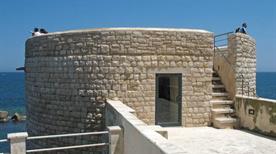
Circular tower built in 1512 by the University as a defense, close to the palaces by the sea homes of the families Passari and Gadaleta. After its construction it was armed with three guns one of bronze and one of iron.
Galleria Arcieri
Bari
(30 Km)
Museo della Civiltà Contadina "D. Bianco"
Sammichele di Bari
(32 Km)
Castello o Pal.Baronale
Bitetto
(17 Km)